What Thickness Aluminum Is Right For Boat Deck
Ship decks are critical structural components that must provide load-bearing capacity, slip resistance, and corrosion resistance. Thanks to advantages such as light weight, corrosion resistance, and ease of fabrication, aluminum has become the material of choice for the decks of small vessels, yachts, and workboats.
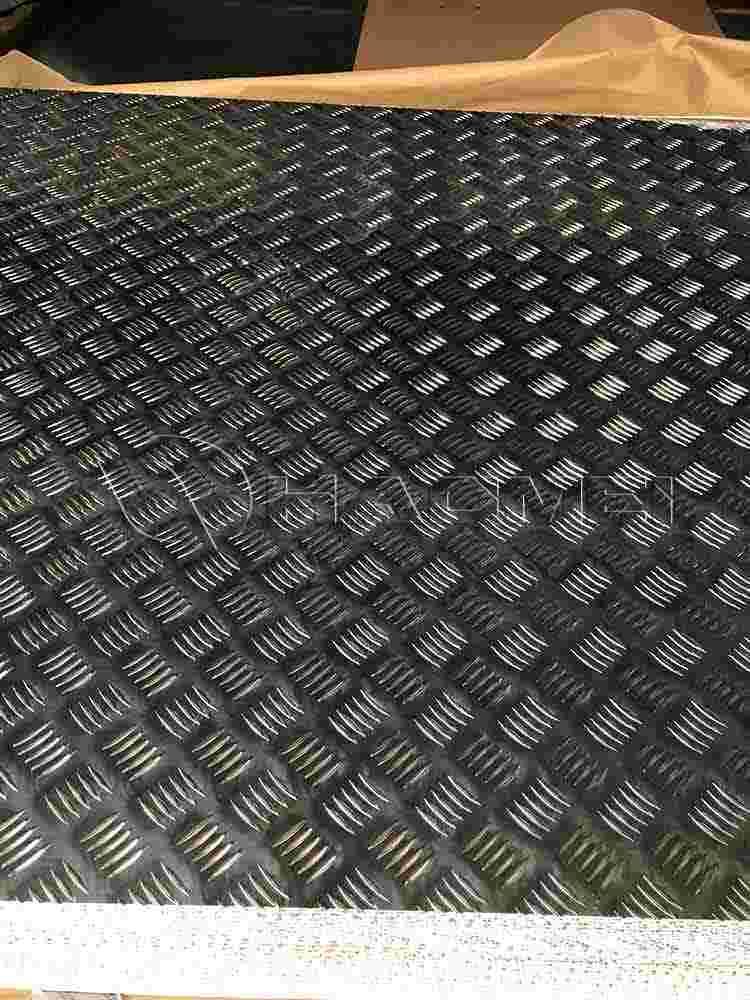
In accordance with shipbuilding industry specifications and standards for marine aluminum applications, standard aluminum plate thicknesses for ship decks are categorized as follows:
- Small recreational vessels/yachts (under 20 feet): Standard thicknesses range from 3 to 4 mm (approx. 0.118–0.157 inches). This balances weight reduction with basic load-bearing requirements, accommodating foot traffic and the placement of lightweight equipment.
- Medium-sized workboats/fishing vessels (20–50 feet): Standard thicknesses range from 4 to 6 mm (approx. 0.157–0.236 inches). These can withstand loads associated with high foot traffic, the stacking of fishing gear, and the impact of moderate wind and waves.
- Large commercial vessels/patrol boats: Deck thicknesses are at least 6 mm in core areas and 8–10 mm in heavy-load zones to ensure high load-bearing capacity and structural stability.
Industry regulations strictly prohibit the use of excessively thin aluminum plates for main decks or load-bearing decks; thin plates are restricted to non-load-bearing decorative surfaces, minor cover plates, and similar auxiliary applications, rather than primary deck structures.
Do 0.125-inch and 0.080-inch aluminum plates meet ship deck requirements?
The 0.125-inch and 0.080-inch specifications commonly found on the market are best understood when converted to millimeters: 0.125 inches is approximately 3.175 mm, and 0.080 inches is approximately 2.03 mm. Evaluating these against the aforementioned marine deck thickness standards:
1. 0.125-inch (3.175 mm) aluminum plate
The 0.125 aluminum sheet sits right at the minimum threshold for small vessel decks; it is not suitable for all scenarios and meets only lightweight, low-load requirements.
Suitable applications: Main decks of small speedboats (under 20 feet), private yachts, and small recreational vessels; intended solely for routine foot traffic, without the stacking of heavy equipment or exposure to frequent, heavy-load impacts. Preferred materials are 5052 or 5083 marine-grade aluminum, which offer adequate corrosion resistance and significant weight-saving advantages without substantially increasing the vessel's deadweight.
Prohibited applications: Strictly unsuitable for the main decks of medium-to-large vessels, commercial fishing boats, or commercial ships; also unsuitable for high-stress or high-impact areas such as passageways, equipment mounting zones, or gunwales. Under conditions of sustained heavy loads or rough seas, 0.125-inch aluminum plate is prone to slight deformation and surface irregularities; prolonged use accelerates metal fatigue and compromises the structural lifespan of the deck.
2. 0.080-inch (2.03 mm) aluminum plate
With a thickness of only about 2 mm—far below the minimum standard for any vessel's main deck—this plate is strictly prohibited for use as a load-bearing or main deck material on any ship.
Structurally, this plate lacks rigidity and offers insufficient impact and deformation resistance; even on small yachts, normal foot traffic or minor bumps from light objects can easily cause surface dents or warping. Prolonged exposure to seawater and sea air makes the thin material highly susceptible to stress cracking and corrosion penetration, posing significant safety risks and failing to meet maritime safety standards.
The 0.080 aluminum sheet is suitable only as an auxiliary material: restricted to non-load-bearing interior decorative panels, small access covers, partition baffles, and other components free from structural loads or stress; it must never be used as a substitute for structural deck plating.
Three Key Principles for Selecting Aluminum for Ship Decks
1. Prioritize Marine Grade Aluminum Plate
Ship decks must utilize marine-grade aluminum alloys such as 5083, 5086, or 5052. These materials undergo specialized processing to ensure resistance to seawater corrosion and salt spray, as well as superior toughness. Standard decorative aluminum sheets—even those meeting thickness requirements—cannot withstand harsh marine environments and will quickly rust or deteriorate.
2. Match Thickness to Operational Conditions
For small, light-load vessels, the minimum thickness should be 0.125 inches (3 mm). However, for decks involving cargo transport, work operations, or heavy foot traffic, the thickness should be upgraded to at least 0.188 inches (4.8 mm); cutting corners by using thinner material to save money leads to higher costs for repairs due to subsequent deformation.
3. Use Tread Plate for Slip Resistance
Ship decks must provide both load-bearing capacity and slip resistance. Mainstream marine decking utilizes "five-bar" or diamond aluminum tread plate. Provided the thickness meets specifications, the patterned structure effectively prevents slipping—ensuring safety during navigation and operations in wet conditions caused by rain or seawater exposure.
Original Source:https://www.marinealu.com/a/what-thickness-aluminum-is-right-for-boat-deck.html
Tags: marine grade aluminum plate ,