Aluminum Sheet for Boat Floor
Holiday weekends concentrate boat launches, wet footwear, coolers, fishing gear, and passenger traffic into a short operating window. For boatbuilders, repair yards, and marine distributors, the most urgent floor requirement is usually not appearance: it is reliable footing on a wet deck.
An aluminum sheet for boat floor can address that risk when the alloy, tread pattern, thickness, drainage layout, and fabrication method are specified together. The practical holiday solution is to stock floor panels before spring launch schedules and long-weekend service demand, rather than replacing damaged decking after the ramp is busy.
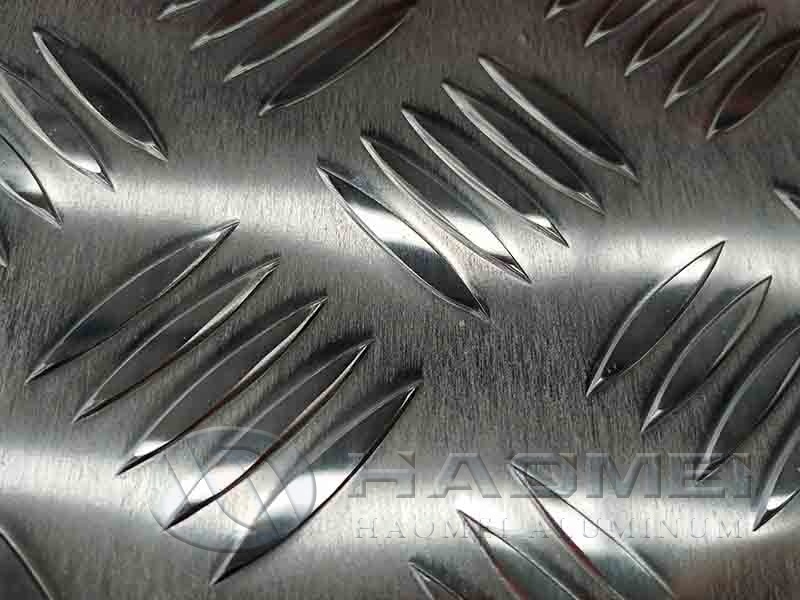
Specify Anti-Slip Performance Before Choosing Thickness
Raised-pattern tread plate, often called five-bar or diamond-pattern plate, increases surface texture under shoes. It does not make a deck slip-proof. Water, fish slime, fuel residue, sunscreen, ice, and worn tread can still reduce traction. For passenger-facing floor areas, combine textured aluminum with drainage and a cleaning procedure.
Use this decision sequence for each deck zone:
- Map standing-water areas, hatch edges, boarding points, and helm walkways.
- Identify whether the panel is structural decking or a removable walking cover.
- Select a marine-appropriate alloy and temper based on corrosion exposure and forming needs.
- Confirm the support-span load case before fixing thickness.
- Specify tread orientation so raised bars cross the primary walking direction where practical.
- Include drain paths and access for rinsing beneath removable panels.
| Deck condition | Practical floor specification | Reason |
|---|---|---|
| Open fishing deck | Five-bar tread plate, sealed edges, planned drains | Texture helps with wet-shoe traction and washdown water removal. |
| Cabin sole or console platform | Flat sheet with a bonded, replaceable non-skid surface | Easier to clean and can suit a more finished interior. |
| Removable service hatch | Tread sheet with framed underside and positive latching | Limits panel flex and reduces edge-trip risk. |
| High-traffic boarding area | Tread sheet plus contrasting edge marking where required by vessel design | Supports footing and makes level changes easier to see. |
For saltwater exposure, 5xxx-series aluminum is widely used in marine applications because these alloys offer good corrosion resistance. Alu 5083 is commonly specified where higher strength is needed, while Alu 5086 is a frequent choice for welded marine structures and sheet work. Material selection still requires review of the actual temper, panel function, joining method, and class or customer specification.
ASTM B928/B928M covers high-magnesium aluminum-alloy sheet and plate for marine service and similar environments, including 5083 and 5086 product forms. Request the applicable mill test report, alloy, temper, dimensions, and standard on the purchase order. ASTM designation alone does not certify a finished boat floor design.
Control Corrosion, Deflection, and Welding Risk
The tread pattern is the visible feature, but panel deflection is often the failure point. A thin panel can feel springy, loosen fasteners, crack coatings, and trap water at distorted seams. Thickness must be calculated from unsupported span, support spacing, live load, panel width, and whether stiffeners are used. Do not substitute a generic thickness chart for an engineering review.
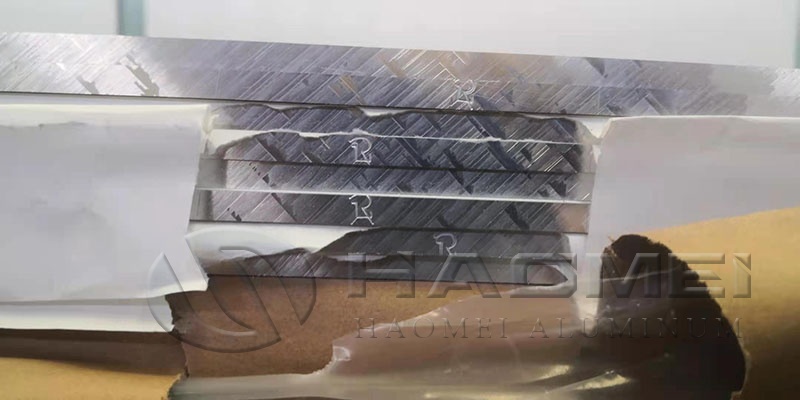
Ask the fabricator to document these checks:
- Support spacing and maximum unsupported panel span.
- Required point load, distributed load, and impact assumptions.
- Tread side orientation and finished walking surface direction.
- Drain hole placement, edge radii, and water-shedding slope.
- Isolation plan for stainless fasteners, copper-bearing metals, and wet trapped joints.
- Welding wire compatibility, welding procedure qualification, and post-weld cleaning.
Galvanic corrosion is a particular concern where aluminum contacts dissimilar metals in an electrolyte such as seawater. Isolating washers, sealants selected for the environment, dryable joints, and compatible fasteners can reduce risk. Avoid creating a permanently wet crevice under a floor panel. The U.S. Federal Highway Administration and corrosion engineering references consistently identify electrolyte exposure, electrical continuity, and dissimilar-metal potential as conditions that drive galvanic attack; marine assemblies should be designed to interrupt those conditions where feasible.
For welded floor structures, verify that the selected filler and welding procedure are suitable for the base alloy and service environment. Heat from welding changes properties in the heat-affected zone, so strength values from unwelded sheet data should not be used as finished-assembly values without qualified design review.
Holiday Inventory Plan for Marine Supply Teams
Long weekends create a predictable service pattern: operators repair decks before trips, replacement demand rises after high traffic, and carriers face tighter capacity near public holidays. A planned offer should therefore be based on configuration readiness, not an unsupported promise of immediate supply.
Use this pre-holiday release checklist 6-10 weeks before the intended delivery window:
| Purchase-order item | What to state | Why it prevents delays |
|---|---|---|
| Product form | Tread plate or plain marine sheet; raised pattern required or not | Prevents receiving the wrong walking surface. |
| Alloy and temper | Exact grade, temper, and governing specification | Aligns corrosion, forming, and welding expectations. |
| Dimensions | Thickness, width, length, tolerance, and cut-to-size schedule | Supports nesting and minimizes yard-side cutting. |
| Inspection documents | Mill test report and any agreed inspection requirements | Provides traceability for fleet or project records. |
| Packaging | Interleaving, moisture protection, edge protection, pallet limits | Reduces transit scratches and wet-storage staining. |
| Delivery window | Required-on-site date, receiving hours, and holiday closure dates | Helps reserve production and transport capacity. |
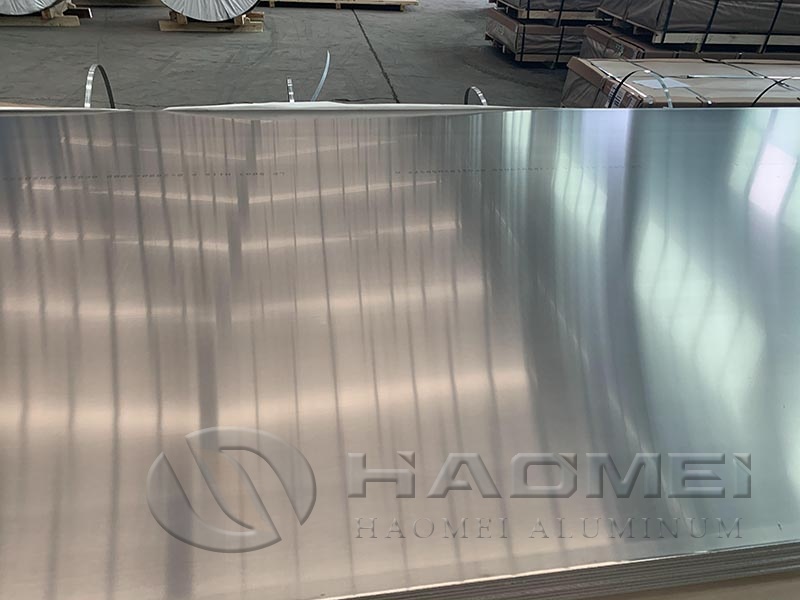
A useful holiday-season product offer groups tread plate with optional cut lengths, matching flat sheet for hatch surrounds, compatible welding consumables, and documented packaging requirements. This reduces mismatched materials arriving at the yard when installation crews have limited time.
Before releasing the order, compare the mill certificate against the order line, inspect tread direction and surface condition on the first panels, and keep protective film or interleaving in place until fabrication. Schedule a dry fit before final welding or fastening, then test drainage with water. These steps turn marine aluminum flooring from a commodity panel into a safer, service-ready deck solution for peak holiday operations.
Original Source:https://www.marinealu.com/a/aluminum-sheet-for-boat-floor.html
Tags: aluminum sheet for boat floor , marine aluminum tread plate ,
Prev:What Thickness Aluminum Is Right For Boat Deck
Next:Marine Grade Aluminum Alloy 5083 H116 H111 Used For Boat Hulls