What Are Low Iron Aluminum Alloys for Shipbuilding
Shipbuilding and marine engineering equipment place stringent requirements on the corrosion resistance, strength, toughness, and weldability of materials. Ordinary aluminum alloys, due to their high iron content, are prone to embrittlement, poor resistance to seawater corrosion, and short service life, making them unsuitable for the harsh conditions of the marine environment—high salinity, high humidity, and strong erosion.
Low-iron marine aluminum alloys, by strictly controlling iron content, significantly optimize the overall performance of the material and are currently the mainstream material in shipbuilding, offshore platforms, and marine component manufacturing.
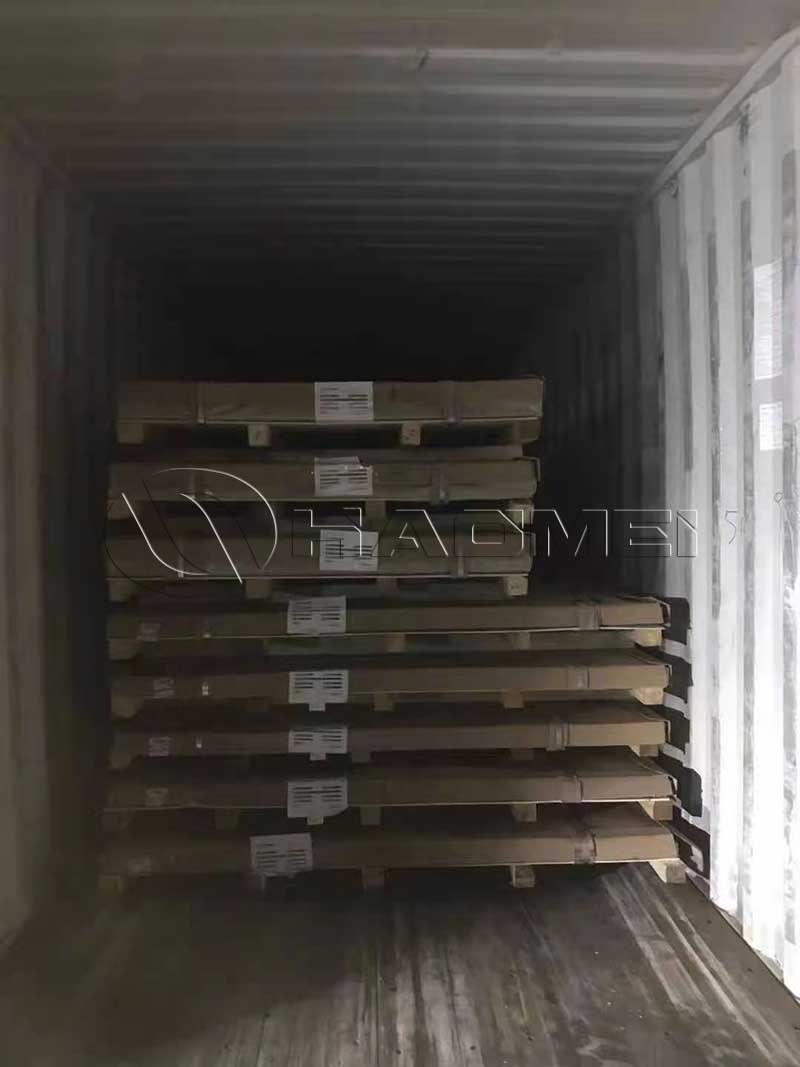
Low-Iron Characteristics
Iron is the main impurity element in aluminum alloys. Excessive iron content in ordinary aluminum materials compromises the density of the aluminum matrix, reduces the material's toughness and fatigue resistance, and makes it prone to pitting corrosion and cracking in marine environments. Marine grade aluminum sheets, with strictly controlled iron content (typically ≤0.5%), offer significant advantages:
1. Enhanced Corrosion Resistance
The low iron content effectively inhibits the erosion of the material by seawater salt ions, significantly improving resistance to stress corrosion and pitting corrosion, making it suitable for long-term seawater immersion and sea wind erosion.
2. Increased Material Toughness
Reduced embrittlement caused by iron impurities results in better impact and crack resistance, making it suitable for the turbulence and water pressure impacts encountered during ship navigation.
3. Stable Welding Performance
The low iron content avoids porosity and cracks during welding, resulting in highly dense welds with aesthetically pleasing finishes and meeting strength standards, satisfying the high standards required for ship structural welding.
4. Lightweight and Durable
Retaining the lightweight advantages of aluminum alloys while improving structural stability, contributing to weight reduction, speed improvement, and energy efficiency reduction in ships.
Mainstream Marine Low-Iron Aluminum Plate: 5083 Aluminum Plate
Marine grade aluminium 5083 is the strongest marine low-iron aluminum material in the 5000 series, with a magnesium content of approximately 4.5%. Combined with a strictly controlled low-iron formula, it has become the preferred material for heavy-duty ships and core structural components, and is also a standard marine aluminum material certified by international classification societies.
Furthermore, 5083 aluminum plate exhibits outstanding resistance to seawater corrosion, resisting oxidation and rust even after long-term immersion in seawater. It also possesses excellent fatigue resistance, allowing it to withstand the dynamic loads of ship navigation for extended periods. Currently, most mainstream 5083 marine aluminum plates on the market are H116 and H321 special grades, specifically optimized for ship structures to effectively prevent stress cracking.
Applicable scenarios: Hull plates, bottom structures, deck frames, bulkheads, large yacht hulls, offshore platform load-bearing structures, ship pressure tanks, and other core load-bearing and high corrosion-resistant components of various ships.
Mainstream Low-Iron Marine Aluminum Plates: 5086 Aluminum Plate
5086 aluminum plate also falls under the category of low-iron marine aluminum, with iron content controlled at ≤0.5% and magnesium content slightly lower than 5083 (3.5%-4.5%). It emphasizes a balance of strength, formability, and weldability, making it a preferred material for small and medium-sized ships and ship parts.
Compared to the high strength of 5083, 5086 aluminum plate sacrifices some rigidity for superior plasticity and processing capabilities. It has better ductility, is less prone to cracking during bending, rolling, and complex shaping, and is suitable for processing various irregularly shaped ship parts. Meanwhile, its welding arc is more stable, and the weld seam has stronger corrosion resistance, especially its resistance to stress corrosion at the weld seam, which is superior to 5083. It also has a higher tolerance for processing errors.
In terms of corrosion resistance, 5086 aluminum plate performs exceptionally well in shallow sea and near-shore environments, exhibiting excellent resistance to sea wind and seawater splash corrosion. It also offers better cost-effectiveness, stronger supply stability, and is suitable for large-scale production of standardized marine parts.
Applicable scenarios: Non-core load-bearing parts requiring complex processing, such as ship superstructures, cabin panels, marine decoration and protective panels, small fishing boats, workboat hulls, chemical tanker tankers, marine pipelines, and lightweight marine parts.
Original Source:https://www.marinealu.com/a/what-are-low-iron-aluminum-alloys-for-shipbuilding.html
Tags: marine grade aluminum sheet ,
Prev:Aluminum Filler Rod
Next:Aluminum Clad Steel