Aluminum Filler Rod
Marine fabrication schedules often tighten before Christmas and New Year closures. A missing or mismatched aluminum filler rod can stop hull repair, pipe spool work, deck equipment fabrication, or profile assembly when local distributors and freight terminals operate with reduced hours.
The most important holiday-season concern is not simply holding more welding consumables. It is preventing alloy mix-ups while keeping certified filler metal available for the exact base material and welding procedure. A practical holiday solution combines correct alloy selection, sealed lot-controlled packaging, and a release schedule that accounts for carrier cut-off dates.
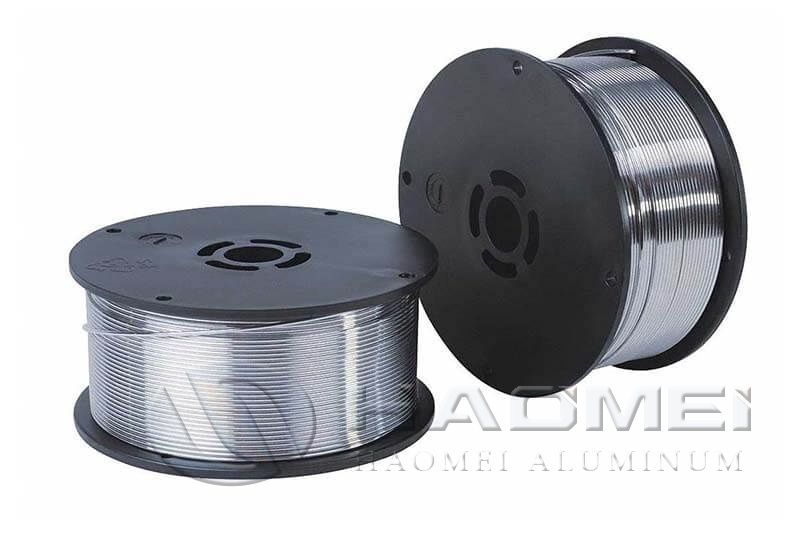
Build a Holiday Filler Metal Plan Around Alloy Compatibility
For marine aluminum, filler selection must start with the base alloy, joint design, service environment, and qualified welding procedure specification. AWS A5.10 / ASME SFA-5.10 identifies aluminum and aluminum-alloy bare welding electrodes and rods. ISO 18273 is another commonly referenced classification standard for aluminum welding consumables.
Do not select a rod only by diameter or availability. For example, 5xxx-series marine sheet commonly requires an Al-Mg filler family, while 6xxx extrusions often use either Al-Si or Al-Mg filler depending on the application and procedure requirements.
| Typical base-material situation | Common filler family to evaluate | Practical reason for evaluation | Holiday stock-control note |
|---|---|---|---|
| 5083 or 5086 marine sheet and plate | ER5183 or ER5356 | Both are Al-Mg filler classifications commonly used with 5xxx alloys | Keep grades physically separated and label each issue location |
| 5xxx marine profiles and fabricated brackets | ER5356 | Widely used where Al-Mg filler is specified | Confirm suitability against the approved WPS before substitution |
| 6061 structural profiles or fittings | ER4043 or ER5356 | Choice depends on weld requirements, cracking control, finish, and service conditions | Do not substitute an Al-Si rod for an Al-Mg rod without engineering approval |
| Mixed aluminum assemblies | Procedure-specific selection | Dissimilar joints need documented filler selection | Reserve material by project and weld map, not by general warehouse bin |
For 5083 and 5086 applications, ER5183 is frequently specified where stronger matching weld-metal performance is required. ER5356 remains a common marine Al-Mg option, but the approved WPS, project specification, and service temperature limitations should control the final decision. The American Welding Society's AWS D1.2/D1.2M, Structural Welding Code - Aluminum, provides requirements for aluminum structural welding when it is invoked by the contract.
A Christmas shutdown plan should therefore reserve filler metal by alloy and certificate lot. Avoid placing ER5183, ER5356, and ER4043 in visually similar unlabeled containers. The short-term convenience of a mixed consumable rack can create rework, inspection delays, and material traceability gaps after the holiday.
Use Traceable Packaging Instead of Emergency Substitutions
The product feature that delivers the most value during a holiday closure is traceability. A rod carton or wire package should be easy to verify before it reaches the welding bay. Ask suppliers to provide the available documentation for each lot, then match it to the purchase order and WPS requirements.
Use this receiving checklist before freight cut-off dates:
Confirm alloy classification, such as ER5183, ER5356, or ER4043, against the approved WPS.
Check rod diameter and length against GTAW torch, joint access, and welder practice requirements.
Verify the manufacturer's certificate or test documentation identifies the lot or batch.
Confirm package labels remain readable after warehouse receiving and project allocation.
Inspect packaging for moisture, torn wrapping, contamination, or damaged spools.
Separate GTAW filler rods from MIG welding wire to prevent incorrect issue.
Allocate a defined contingency quantity for repair work, rather than opening project-reserved cartons.
For fabrication teams using both GTAW and MIG, it is useful to coordinate filler rods with matching wire availability. ER5183 Alu Wire can support planned wire-fed welding work where the procedure calls for that classification, while hand-fed rod remains appropriate for GTAW repairs, root passes, and controlled-access joints.
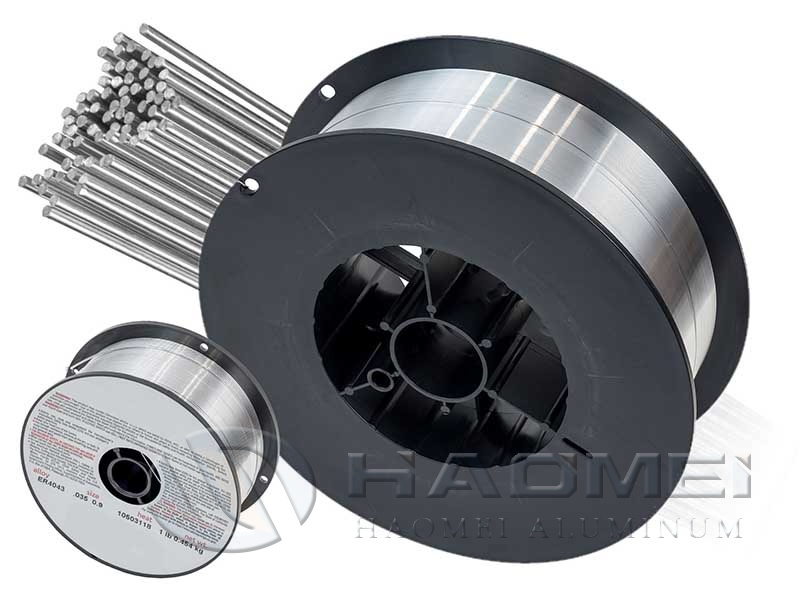
Marine sheet and plate purchasers should also check whether material documentation aligns across the assembly. ASTM B928/B928M covers high-magnesium aluminum-alloy sheet and plate intended for marine service and similar environments, including alloys such as 5083 and 5086. This base-material standard does not select welding filler metal, but it helps the project team identify the parent alloy that must be reviewed against the welding procedure.
Schedule the Holiday Solution in Three Release Windows
Holiday risk increases when all material is shipped in one late dispatch. Instead, use three controlled release windows. This approach helps marine yards, metal service centers, pipe-fitting fabricators, and stainless-steel pipe stockists protect production without creating excessive open-package inventory.
| Release window | Recommended action | Control point |
|---|---|---|
| 4-6 weeks before closure | Confirm forecasts by alloy, diameter, process, and project | Compare demand with WPS and weld maps |
| 2-3 weeks before closure | Receive primary supply and inspect certificates, labels, and packaging | Resolve discrepancies before carrier congestion |
| 1 week before closure | Deliver sealed contingency stock to the production location | Keep it segregated from routine shop inventory |
For urgent marine repairs, select the contingency quantity from actual historical consumption. Review issued kilograms or pounds by alloy and process from the last comparable repair period. Add only the documented repair allowance approved by operations. This is more reliable than using a generic percentage, especially when one vessel refit or offshore component repair can consume a different filler classification than routine production.
Where aluminum pipe fittings, profiles, and 6xxx components are part of the same order, list each filler-metal requirement as a separate line item. A single description such as "aluminum welding consumable" is too broad for quality control. Specify classification, diameter, form, packaging, certification requirement, and destination project.
For Al-Mg work that is already qualified to ER5356, ER5356 Alu Wire can be planned alongside GTAW rod inventory so welding cells are not forced to change procedures because one consumable form is unavailable.
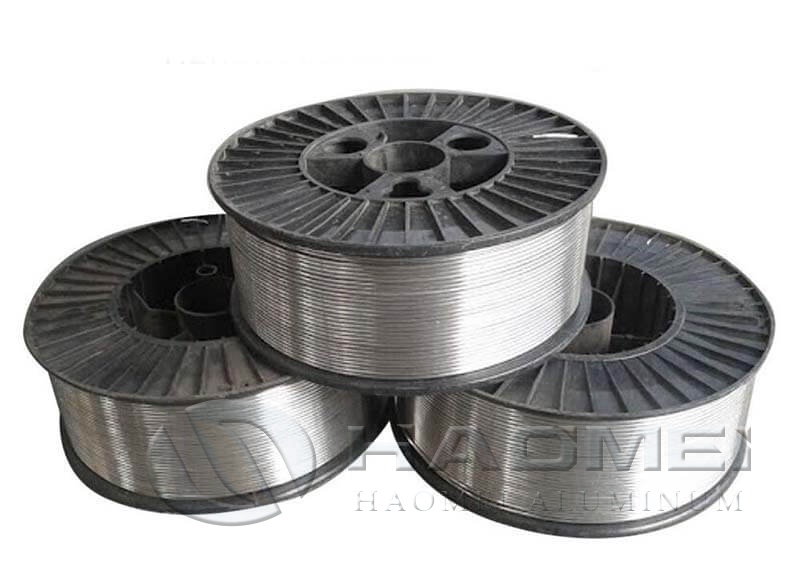
Before the final holiday dispatch, have the welding coordinator sign off on the alloy list, and have warehouse personnel verify lot labels against the packing list. That two-person check is a practical control against the most expensive holiday interruption: discovering the wrong filler metal only after production has resumed.
Original Source:https://www.marinealu.com/a/aluminum-filler-rod.html
Tags: Aluminum Filler Rod , Marine Aluminum Welding Wire ,
Prev:Gunwale vs Gunnel: What Is the Correct Term for Boat Rails