Gunwale vs Gunnel: What Is the Correct Term for Boat Rails
If you've ever spent time around boats, whether you're a seasoned mariner, a casual boater, or just someone curious about nautical terminology, you've likely come across the words "gunwale" and "gunnel" when referring to the upper edge of a boat's hull. Are they actually the same thing, or is there a key difference that matters for accurate nautical communication?
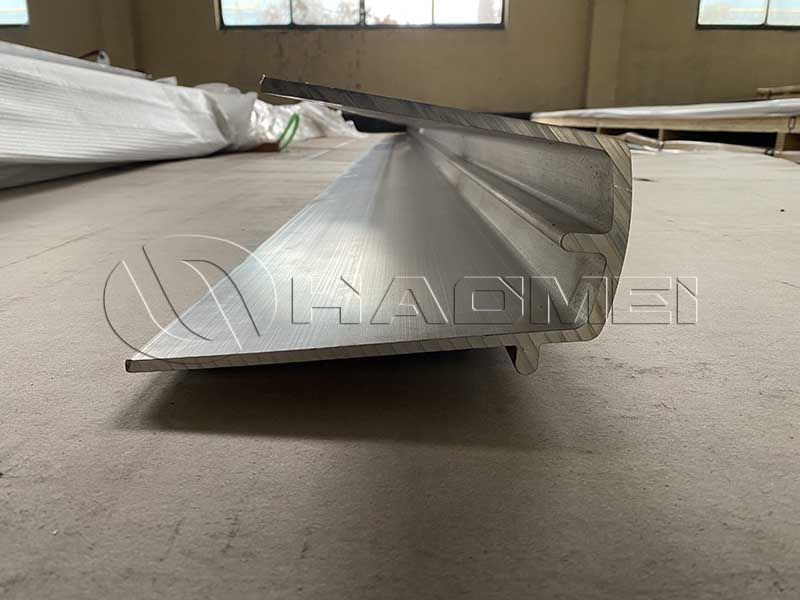
Are Gunwale and Gunnel the Same Thing? The Short Answer
Yes—for the most part. Gunnel is simply an alternative spelling of gunwale, and both words are accepted in modern English when referring to the boat rail. There is no functional difference between the two terms in nautical usage; if you say "gunnel" to a boater or mariner, they will understand exactly what you mean, just as they would if you said "gunwale". That said, there are subtle differences in their origins, spelling popularity, and a rare secondary meaning that sets "gunnel" apart in some contexts.
Why Aluminum Boat Rails (Gunwales/Gunnels) Are a Game-Changer
Wooden gunwales are prone to rot, warping, and damage from water, UV rays, and saltwater corrosion—especially if not regularly sealed and maintained.
Aluminum boat gunnel rail, on the other hand, is inherently resistant to these issues. It won't rot, splinter, or absorb water, even when exposed to harsh marine conditions day in and day out. A well-made aluminum gunwale can last the entire lifespan of the boat, with minimal upkeep. This durability is a huge win for boaters who don't want to spend endless hours sanding, staining, or replacing rotted wood rails.
1. Unbeatable Durability and Longevity
Wooden gunwales are prone to rot, warping, and damage from water, UV rays, and saltwater corrosion—especially if not regularly sealed and maintained. Aluminum, on the other hand, is inherently resistant to these issues. It won't rot, splinter, or absorb water, even when exposed to harsh marine conditions day in and day out. A well-made aluminum gunwale can last the entire lifespan of the boat, with minimal upkeep. This durability is a huge win for boaters who don't want to spend endless hours sanding, staining, or replacing rotted wood rails.
2. Lightweight Yet Strong
Aluminum is famous for its high strength-to-weight ratio, and this trait shines in boat rails. Unlike heavy wooden or steel rails, aluminum gunwales add structural support to the boat without weighing it down. Reduced weight translates to better fuel efficiency, faster acceleration, and improved maneuverability—critical benefits for fishing boats and small vessels that rely on agility on the water. Even better, aluminum can be reinforced with ribs or brackets for extra strength in high-stress areas, like where oarlocks or fishing rod holders are mounted, without adding excess bulk.
3. Corrosion Resistance for All Water Types
One of the biggest challenges for boat parts is corrosion, especially in saltwater environments. Traditional steel rails rust quickly, and even stainless steel can corrode over time if not properly cared for. Aluminum, however, forms a natural protective oxide layer when exposed to air, which prevents rust and corrosion. For saltwater boaters, marine-grade aluminum alloys take this protection a step further, resisting pitting and corrosion even in harsh coastal waters. This means no more rust stains on your boat’s hull and no need for constant painting or coating to protect the rails.
4. Low Maintenance and Easy Customization
Wooden gunwales require regular maintenance—sanding, sealing, and repainting every year or two—to stay in good shape. Aluminum gunwales, by contrast, are virtually maintenance-free. A quick rinse with fresh water after each use is all it takes to keep them clean and looking new. Scratches or dents can be easily buffed out, and aluminum can be painted or anodized in any color to match your boat's design. Plus, aluminum is highly malleable, so it can be shaped to fit curved hulls or custom boat designs, making it a versatile choice for boat builders and DIY enthusiasts alike.
5. Cost-Effective in the Long Run
While aluminum boat chine extrusions may have a slightly higher upfront cost than basic wooden rails, they pay for themselves over time. You'll save money on maintenance supplies, replacement parts, and labor—no more buying new wood rails every few years or hiring a professional to refinish them. Aluminum's longevity and low upkeep make it a cost-effective investment for any boater, whether you're a casual weekend sailor or a commercial fisherman.
The Best Aluminum Alloys for Boat Gunwales
6082 aluminum has emerged as a popular choice among boat owners and builders alike, often preferred for its exceptional balance of strength, weldability, and corrosion resistance—traits that make it perfectly suited for boat gunwales.
As a heat-treatable alloy in the 6xxx series (Al-Mg-Si), it shares similarities with 6061-T6 but offers slightly higher tensile strength and improved fatigue resistance, a critical advantage for gunwales that endure constant vibration, wave impact, and heavy use. Its excellent welding characteristics make it easy to install and customize, whether you're adding brackets for fishing rod holders or reinforcing high-stress areas.
Original Source:https://www.marinealu.com/a/gunwale-vs-gunnel-what-is-the-correct-term-for-boat-rails.html
Tags: aluminium boat extrusions ,
Prev:Why Are Marine Aluminum Sheet 5083 5086 More Expensive Than Regular Aluminum Plates
Next:Aluminum Filler Rod