Marine Grade Aluminum Diamond Plate
Focus
Slip resistance is the top concern for deck and walkway plate on vessels. The wrong tread pattern, temper, or surface finish can become hazardous when wet, oily, or covered with marine growth.
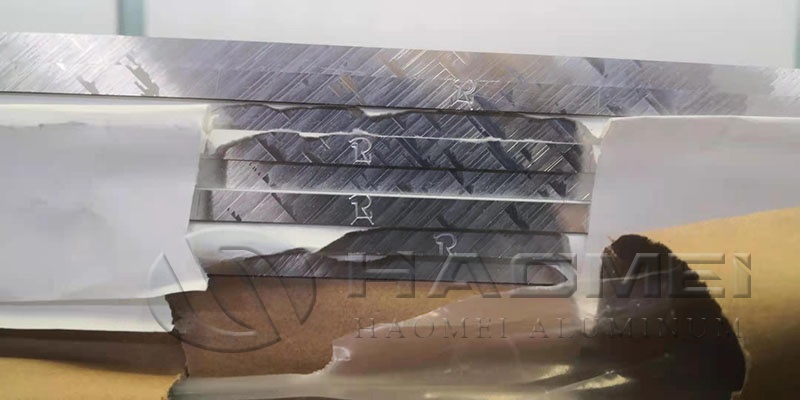
Where used
Typical marine applications include:
Engine room walkways and platforms.
Deck access covers and hatch surrounds.
Ramps, gangways, dock plates.
Locker floors, battery boxes, and service corridors.
Problem seen in service: a tread plate specified only by "diamond pattern" but without minimum thickness, alloy/temper, and surface condition. The plate arrives shiny, thin, and easy to dent; it also becomes slick after paint or anodizing.
Alloy picks
"Marine grade" usually points to 5xxx series Al-Mg alloys for seawater corrosion resistance. For tread plate, the main decision is strength vs. forming and corrosion risk.
Comparison table: common choices
| Alloy family | Typical marine use fit | Corrosion notes in seawater | Forming / welding | When it fails the slip-resistance goal |
|---|---|---|---|---|
| 5052 (Al-Mg) | Light-duty floors, interiors | Good general corrosion; lower strength | Easy to form; good weldability | Dents flatten the raised pattern faster, reducing traction |
| 5083 / 5086 (Al-Mg) | Decks, structural-adjacent walkways | Excellent seawater performance when correctly specified | Good weldability; moderate forming | Over-specified hardness can reduce formability for bends/flanges |
| 6061 (Al-Mg-Si) | Stiff frames, machined parts | Good, but not the first choice for continuous seawater splash | Heat treatable; weldable with strength loss in HAZ | Often supplied with smoother finishes; treads can be less aggressive |
For deck tread plate with meaningful abuse and salt exposure, many shipyards standardize on 5083 or 5086 sheet/plate produced for marine service. If you need this in a procurement spec, reference Alu 5083 or Alu 5086 by alloy and temper rather than by "marine grade" wording.
Specs
Use standards that explicitly cover marine plate and define tempers suitable for seawater service.
Standards to cite (verifiable):
ASTM B928 / B928M (High Magnesium Aluminum-Alloy Sheet and Plate for Marine Service and Similar Environments). Commonly used for 5083, 5086, 5456 in marine.
EN 485 (Aluminum and aluminum alloys. Sheet, strip and plate. Mechanical properties and tolerances). Used broadly in EU supply chains.
ASTM B209 (General-purpose sheet and plate). Often used, but B928 is preferred for marine exposure when available.
Temper call-outs (typical in marine):
H116 and H321 are widely specified for 5xxx marine plate because they are intended to provide good resistance to exfoliation and stress corrosion in marine-type environments under the applicable product standards.
Slip checks
A diamond pattern helps, but traction depends on multiple variables.
Checklist: prevent "looks good, slips later"
Pattern depth and spacing: specify tread plate type and minimum thickness; thin plate loses profile quickly.
Orientation: align diamonds to expected foot traffic direction for ramps and inclined gangways.
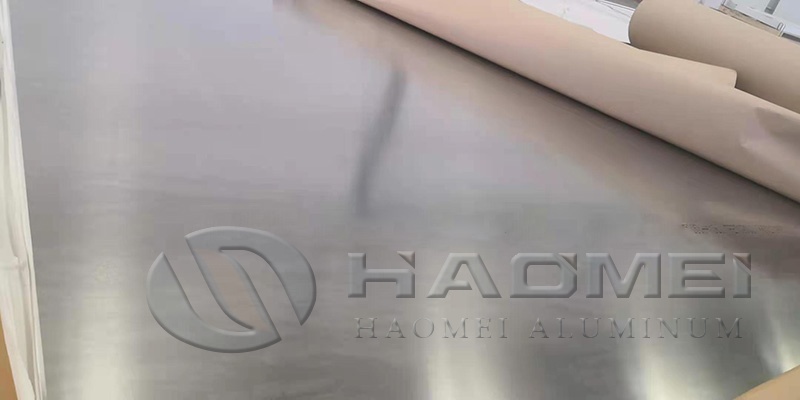
Surface condition: require "mill finish" or a defined surface roughness if your coating system reduces traction.
Coating impact: paints and clear coats can fill valleys; ask your coating vendor about wet COF impact and required grit blasting.
Contamination: define cleaning method; oily residues on engine room floors negate the tread effect.
Regulatory context: SOLAS and IMO instruments require safe means of access and arrangements that reduce risk of slipping, but they do not prescribe a single tread pattern. Ship operators often rely on their safety management system plus class/flag expectations. For fire performance of deck coverings or coatings applied over aluminum, verify test evidence under IMO FTP Code if the area falls under surface material requirements.
Corrosion risks
5xxx alloys are robust in seawater, but problems occur when specifications ignore fabrication realities.
Common failure modes and fixes
Crevice corrosion under fasteners or overlay plates.
Fix: seal joints, avoid stagnant seawater traps, specify non-absorbent gaskets, ensure drainage.
Galvanic corrosion when paired with stainless steel or carbon steel.
Fix: electrical isolation (non-conductive washers), compatible fasteners, sealant barriers, and correct coating systems.
Sensitization risk in 5xxx at elevated temperatures (service or fabrication), which can reduce corrosion resistance.
Fix: control heat input during welding, avoid unnecessary high-temperature exposure, and use appropriate tempers under ASTM B928.
Buying tips
Use this as a purchase order backbone.
Order line checklist
Alloy and temper: e.g., 5083-H116 or 5086-H116 per ASTM B928 (or EN equivalent).
Product form: tread plate (diamond), with stated pattern designation if your supplier uses multiple tread geometries.
Nominal thickness and minimum thickness under tread (critical for strength and service life).
Width and length tolerances per ASTM/EN.
Flatness requirement for walkway installation.
Traceability: heat number, MTRs (EN 10204 3.1 commonly requested in EU-oriented supply).
Surface: one-side tread, one-side smooth; specify protective film if handling marks are unacceptable.
Costs
Pricing moves with aluminum LME, regional premiums, conversion costs, and scrap spreads.
Cost drivers you can control
| Driver | What increases cost | What to specify to control it |
|---|---|---|
| Thickness and alloy | Thicker gauges; higher Mg alloys; strict flatness | Use the minimum thickness that meets dent resistance; specify realistic flatness |
| Temper availability | Non-stock tempers | Choose common marine tempers (H116/H321) where compliant |
| Pattern / finish | Special tread patterns; polished finish | Standard mill finish tread unless aesthetics matter |
| Certification | Extra testing, third-party inspection | Request only necessary cert level (e.g., EN 10204 3.1) |
For budgeting, request a quote structure that separates metal basis (LME) from conversion and freight. This makes re-pricing transparent when LME moves.
Supply chain
Lead times vary with rolling mill capacity, tread-plate lines, and plate vs. sheet thickness.
Steps to reduce delays
Confirm origin and standard: ASTM B928 vs. EN 485 drives mill options.
Lock dimensions: non-standard widths often extend lead time.
Plan for fabrication: if you need bent edges or welded stiffeners, confirm temper compatibility early.
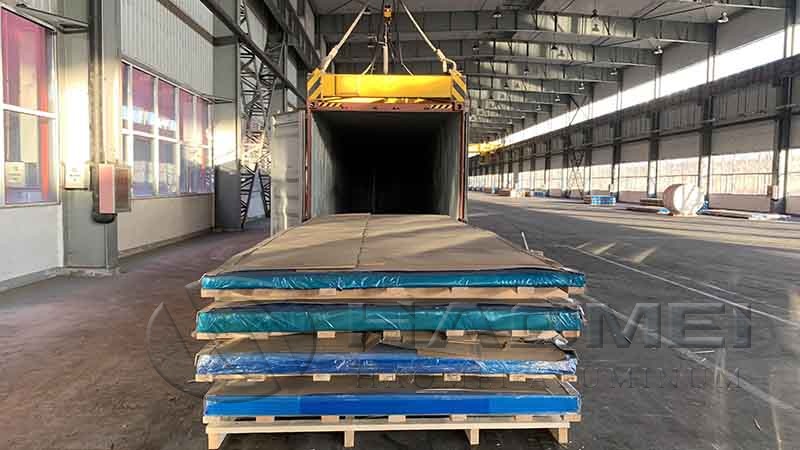
Verify packaging: marine export packing, edge protection, and moisture control reduce transit damage.
Incoming QA
Do not rely only on "marine grade" labeling.
Receiving inspection checklist
It must have Classification Society Certificates like DNV, ABS, LR,etc.
Confirm tread side and pattern consistency across sheets.
Measure minimum thickness in the valleys (not on top of the raised diamonds).
Visual check for lamination, edge cracks, and corrosion staining.
Confirm protective film removal does not leave adhesive residue (slip hazard).
Original Source:https://www.marinealu.com/a/marine-grade-aluminum-diamond-plate-2026-03-12.html
Tags: marine tread plate , 5083 H116 , ASTM B928 , EN 485 , IMO FTP Code ,
Prev:6082 Aluminum Plate for Marine Structures
Next:What Is Aluminum Steel Transition Joint in Shipbuilding