Marine Aluminium Extrusions
Marine aluminium extrusions are popular for boat structures, gangways, handrails, T tracks, frames, ladders, and lightweight deck hardware because they combine strength, corrosion resistance, and easy fabrication. On Q and A platforms, the most common confusion is not whether aluminium works at sea, but which alloy and temper to pick, what surface finish actually survives salt exposure, and how to specify an extrusion so it fits and welds without surprises.
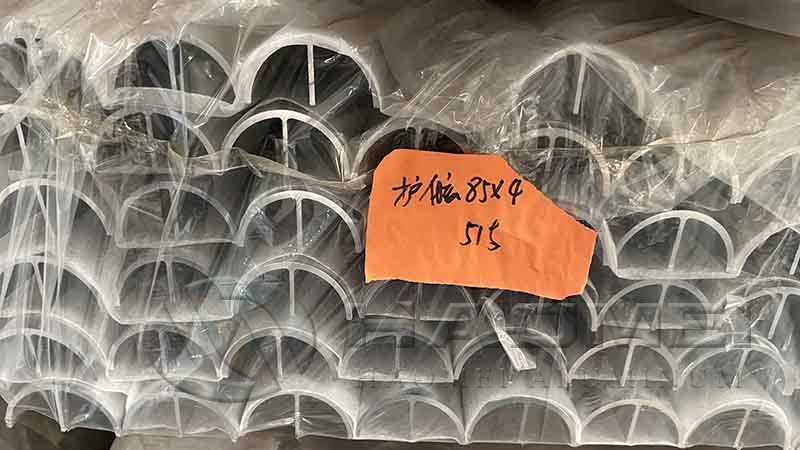
1) What is the best alloy for marine aluminium extrusions: 6061, 6063, or 6082?
People keep asking this because listings often label all three as "marine grade," yet they behave differently once you start welding, machining, and living with seawater.
Practical selection (typical small to mid marine structures):
- 6082-T6 or T651 is often the most balanced choice in Europe and many export markets for structural extrusions. It tends to offer strong mechanical properties and good corrosion resistance for above waterline parts.
- 6061-T6 is globally common, very available, and friendly for machining and general fabrication. It is a safe default for many structural profiles, brackets, and frames.
- 6063-T5 or T6 is usually chosen for excellent extrudability and surface finish, so it is common for rails, trims, and profiles that benefit from clean anodizing. It is generally not the first pick when you need maximum structural strength.
Where these differences show up in real projects is in weld zones. If you will weld heavily, you may prefer designs that avoid concentrating loads right next to welds, or you may accept that post weld strength near the heat affected zone is lower than base metal. If you need a quick reference for common mechanical expectations and availability, see Alu 6061 and Alu 6082.
2) Do marine aluminium extrusions corrode in seawater, and what protection matters most?
Yes, aluminium can corrode in marine environments, but the failure mode most people fear is rarely uniform rust like steel. The common problems are pitting, crevice corrosion, and galvanic corrosion.
What actually matters in practice:
- Design out crevices. Trapped salty moisture under pads, inside tight overlaps, or in unsealed joints causes local attack. Simple drain paths and accessible rinse points help more than many coatings.
- Avoid dissimilar metal contact. Stainless fasteners on aluminium are common, but direct contact plus seawater can create galvanic coupling. Use isolating washers, sleeves, bedding compounds, or barrier tapes.
- Pick the right finish for exposure. Anodizing helps above waterline, but in tight crevices it cannot compensate for poor design. Coatings can be excellent if edges and fastener holes are properly sealed.
If your project includes plates welded to extrusions, pairing profiles with proven marine plate alloys is common.
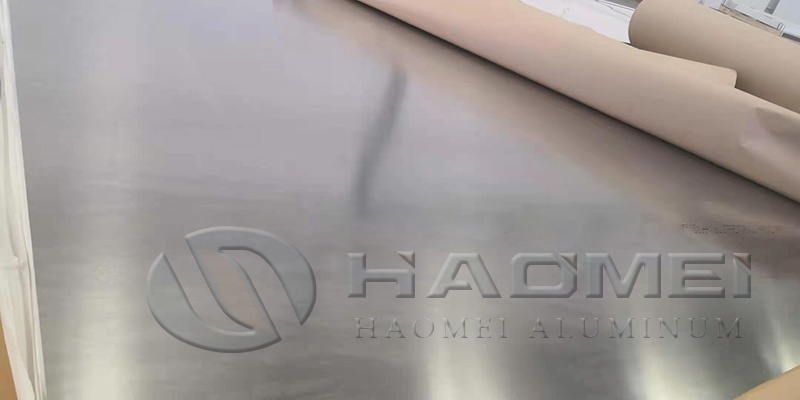
3) Is anodized aluminium okay on boats, or should I use powder coating or bare mill finish?
This is asked frequently because people have seen both beautiful long lasting anodized rails and also chalky, stained, or peeling finishes.
How to choose:
- Anodizing (especially for 6063 profiles) offers a hard, attractive surface and good UV stability. It is excellent for handrails, window frames, and decorative or semi structural parts above waterline. Specify marine appropriate sealing and a thickness that matches the exposure.
- Powder coating can give great aesthetics and color options, but marine success depends on pretreatment, film build, edge coverage, and avoiding sharp corners. If the pretreatment is weak or the coating is damaged, corrosion can creep under the film.
- Mill finish can work for parts that are regularly rinsed, not cosmetic, or will be wrapped or protected by other systems. But it shows staining and is less forgiving in splash zones.
A useful rule: if the part will be handled, scuffed, or exposed to strong sun, pick a finish that you can maintain and touch up. Also remember that anodizing changes fit slightly, so tight tolerance sliding parts should be designed with the coating thickness in mind.
4) What is the real difference between "marine grade" aluminium and "aircraft grade" for extrusions?
This question pops up because the word "aircraft" sounds superior, and some sellers use it loosely. For marine extrusions, the better question is whether the alloy temper and corrosion behavior match the environment and fabrication.
Reality check:
- Many so called aircraft alloys are optimized for high strength, fatigue performance, and strict process control, but some are more sensitive to corrosion in salt exposure without robust protection.
- Marine use rewards alloys with good seawater corrosion resistance, reliable weld behavior, and stable supply in extrusion form.
- The right answer is typically not a label, but a spec: alloy, temper, mechanical requirements, inspection needs, and surface finish.
If someone is offering an "aircraft grade" extrusion without stating alloy and temper, treat it as a marketing phrase and ask for the actual designation and test certificate.
5) What should I specify when ordering marine aluminium extrusions so they fit and weld correctly?
A large share of Q and A discussions are really about parts not fitting, distortion after welding, or holes and slots not lining up. These issues are avoidable with clear ordering details.
Use this checklist when requesting a quote:
- Alloy and temper: e.g., 6082-T6, 6061-T6, or 6063-T5.
- Profile drawing and critical dimensions: mark what must be tight tolerance vs general.
- Straightness and twist limits: especially for long rails and tracks.
- Surface finish: mill, anodized (type and thickness), or powder coated (system and color).
- Length and cut tolerance: random length vs fixed cut length.
- Welding plan: tell the supplier if you will MIG or TIG, and where welds will be placed.
Common marine extrusion choices, pros, and cautions
| Alloy | Typical temper | Best for | Strength level | Corrosion behavior | Notes |
|---|---|---|---|---|---|
| 6061 | T6 | Structural frames, brackets, machined parts | Medium to high | Good above waterline | Widely available, predictable machining |
| 6082 | T6 | Structural extrusions, beams, load bearing profiles | High | Good above waterline | Popular for marine structures in many regions |
| 6063 | T5, T6 | Rails, trims, anodized visible profiles | Medium | Good with anodizing | Excellent surface finish and extrudability |
Fasteners and isolation: what people miss
| Connection | Risk in salt exposure | What to do | What to avoid |
|---|---|---|---|
| Stainless bolt into aluminium | Galvanic corrosion | Use isolating washers, sleeves, bedding compound | Bare metal to metal contact in wet crevices |
| Aluminium to carbon steel | Very high galvanic risk | Separate with robust barriers or redesign | Direct bolting with water traps |
| Rivets and inserts | Crevice corrosion | Seal interfaces, choose compatible materials | Unsealed blind holes in splash zones |
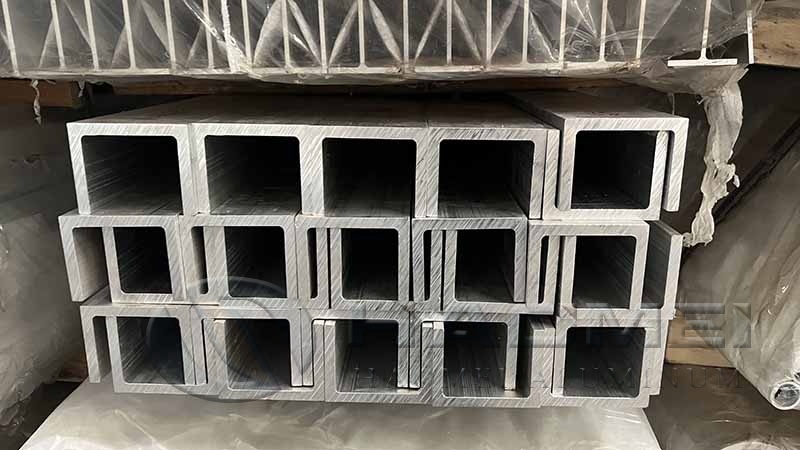
When you see marine extrusions marketed for gangways, frames, and supports, square and rectangular profiles are common because they are easy to cut, jig, and weld, but the marine success depends more on joint design and isolation than on shape alone. If you are comparing suppliers, ask for dimensional inspection capability, coating process details, and how they package long profiles to prevent transit scratches that later become corrosion initiation points.
Original Source:https://www.marinealu.com/a/marine-aluminium-extrusions.html
Tags: Marine Aluminium Extrusions , 6082 marine extrusions , 6061 marine aluminum , 6063 anodized profiles , seawater corrosion aluminum ,