5356 Filler Rod
For shipyards, tank fabricators, offshore module suppliers, and aluminum structure manufacturers, the main purchasing risk is not only price. It is receiving filler metal that matches the base alloy, welding code, class requirement, and storage condition. A wrong batch can cause porosity, rework, failed procedure qualification, or rejection during vessel inspection.
What 5356 filler rod is used for
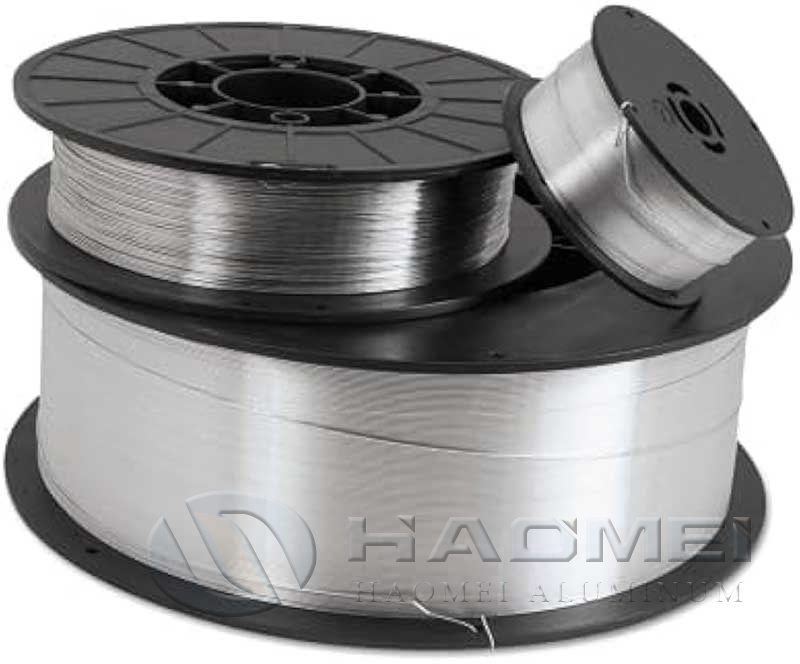
ER5356 is an aluminum-magnesium filler alloy for GTAW/TIG rod and GMAW/MIG wire. It is widely used with 5xxx marine aluminum such as 5052, 5083, and 5086, and also with many 6xxx extrusions when service temperature is suitable.
Its magnesium content gives better as-welded strength than 4043 in many marine joints. It also gives a closer color match after anodizing than silicon-rich 4043. However, Al-Mg filler metals containing more than 3% Mg are generally not recommended for sustained service above about 65°C, because stress corrosion cracking resistance can be reduced in elevated-temperature exposure.
Main technical profile
| Item | Practical specification point |
|---|---|
| AWS classification | ER5356 under AWS A5.10/A5.10M |
| ISO classification | S Al 5356 / AlMg5Cr(A), referenced in ISO 18273 |
| Alloy family | Non-heat-treatable aluminum-magnesium |
| Typical Mg range | About 4.5-5.5%, according to AWS/ISO classification chemistry limits |
| Main processes | TIG rod, MIG wire, robotic GMAW, pulse MIG |
| Common rod diameters | 1.6, 2.4, 3.2, 4.0, 4.8 mm, subject to supplier range |
| Common wire diameters | 0.8, 1.0, 1.2, 1.6 mm for MIG applications |
| Avoid when | Long-term service above about 65°C, or when the welding procedure specifies another filler |
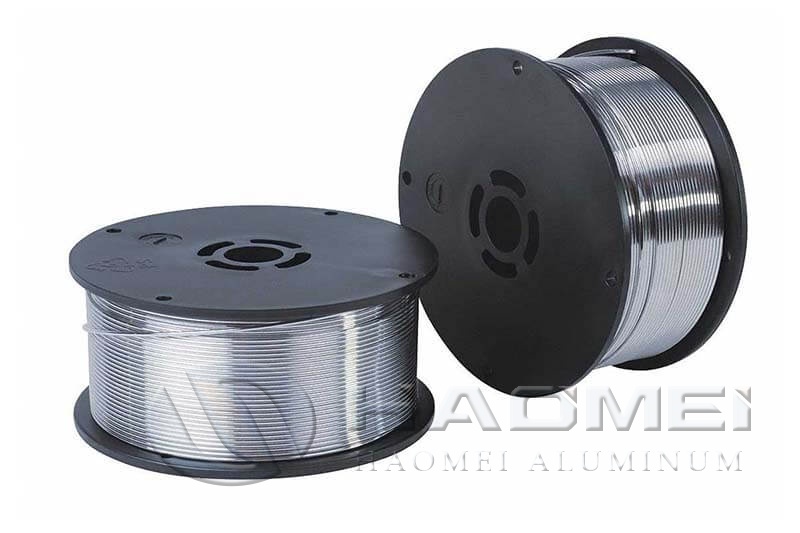
For projects using wire rather than straight rod, specify surface condition and spool type clearly. High-volume fabricators often standardize Alu Wire diameter, spool weight, and feeding equipment compatibility before placing annual orders.
Standards to state on the purchase order
Do not write only ER5356. State the standard edition, form, diameter, packaging, certificate type, and inspection requirement. This reduces disputes when goods arrive at the warehouse.
| Requirement | What to specify | Why it matters |
|---|---|---|
| Filler metal standard | AWS A5.10/A5.10M or ISO 18273 | Defines chemical classification and product form |
| Welding code | AWS D1.2 for aluminum structures, or project welding specification | Controls procedure qualification and acceptance criteria |
| Marine class approval | ABS, DNV, LR, BV, or project-nominated society if required | Some vessel projects require approved consumables |
| Certificate | Mill test certificate, preferably EN 10204 3.1 format when contract requires it | Provides batch chemistry and traceability |
| Packaging | Sealed tube for TIG rods; sealed spool carton or drum for MIG wire | Limits moisture and shop contamination |
| Batch traceability | Heat/batch number on label and certificate | Supports audit, recall, and weld map control |
If the same project package also includes seamless stainless steel pipe, keep the documentation system separate. Aluminum filler metal is normally controlled by AWS A5.10 or ISO 18273, while seamless stainless pipe is commonly ordered to ASTM A312, ASTM A213, ASTM A269, ASME SA312, or EN 10216-5 depending on service. Pipe inspection may include hydrostatic test, eddy current test, PMI, dimensional inspection, and intergranular corrosion testing such as ASTM A262 Practice E for austenitic grades when specified. These tests do not replace filler rod certification.
5356 vs 4043 vs 5183 for marine aluminum
Selection should follow the welding procedure specification first. When a new procedure is being planned, use the comparison below to reduce trial cost.
| Filler alloy | Best fit | Strength behavior | Corrosion and appearance | Procurement note |
|---|---|---|---|---|
| ER5356 | 5052, 5086, many 5083 and 6xxx joints | Higher as-welded strength than 4043 in many joints | Good marine corrosion resistance; good anodized color match | Common stock item; verify temperature limit |
| ER4043 | Many 6xxx castings and extrusions | Lower ductility risk in some crack-sensitive 6xxx welds | Silicon gives darker anodized weld color | Not preferred where anodized color match is required |
| ER5183 | 5083 and higher-strength 5xxx marine structures | Often used where higher weld metal strength is needed | Good seawater performance for marine structures | May require class approval and longer lead time |
| ER5556 | High-strength 5xxx applications | Higher Mg alloy filler than 5356 | Suitable only when procedure and service condition allow | Confirm availability before project release |
Inspection and testing checklist before release to production
Use this checklist for incoming inspection and supplier evaluation.
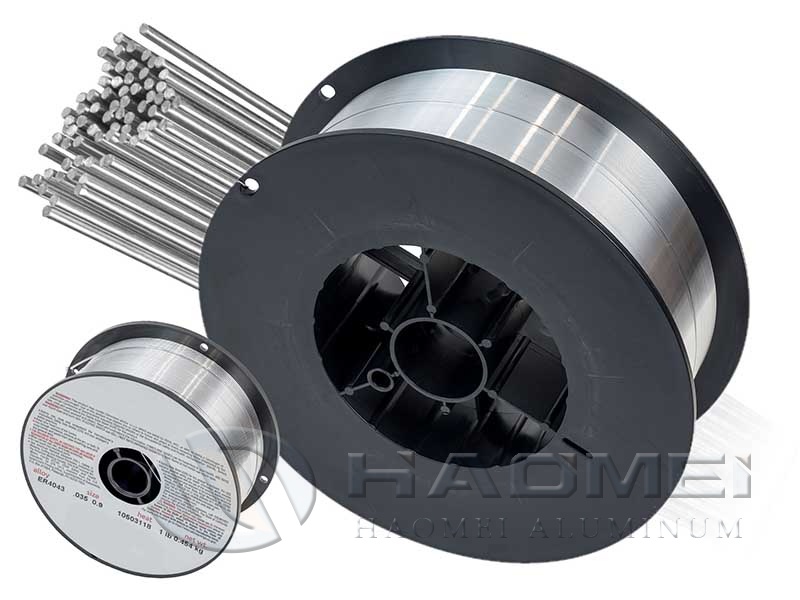
- Certificate review: Confirm ER5356 classification, standard number, batch number, diameter, net weight, and chemical composition.
- Chemistry verification: For critical marine work, perform spot PMI/OES testing on selected batches and compare with AWS A5.10 or ISO 18273 limits.
- Surface check: Rods should be bright, clean, dry, and free from oil, oxide scale, white corrosion, kinks, and mechanical damage.
- Diameter check: Measure several rods or wire samples with a calibrated micrometer. Record actual values against the purchase tolerance.
- Packaging check: Reject broken seals, wet cartons, torn spool wrapping, or labels that cannot be matched to the certificate.
- Welding trial: Run a controlled bead-on-plate or production simulation before full release. Monitor arc stability, porosity, soot, feeding, and cleaning action.
- Procedure qualification: When required by AWS D1.2 or class rules, test tensile, bend, macro, and other specimens defined in the procedure qualification plan.
Sourcing points for large-volume orders
Price should be compared on delivered usable material, not only per kilogram. Aluminum filler metal cost can be affected by LME aluminum movement, magnesium cost, conversion charge, packaging type, approved-supplier status, and freight mode.
Ask suppliers to quote the same basis:
- Standard: AWS A5.10/A5.10M ER5356 or ISO 18273 equivalent.
- Form: TIG straight rod or MIG wire.
- Diameter and length: for example, 2.4 mm x 1000 mm TIG rod.
- Packaging: 5 kg tube, 10 kg carton, spool, or drum.
- Certificate: chemical certificate with batch traceability.
- Approval: marine class approval if project drawings require it.
- Delivery term: Incoterms, lead time, shelf storage condition, and pallet protection.
Practical use tips for reducing weld defects
Store opened rods in a clean, dry cabinet. Do not leave them beside grinding, carbon steel cutting, or painting areas. Aluminum oxide and shop dust are frequent sources of porosity and inclusions.
Before TIG welding, wipe rods with a clean lint-free cloth and approved solvent when contamination is suspected. For MIG wire, keep drive rolls, liners, contact tips, and spool covers dedicated to aluminum. U-groove drive rolls are generally preferred for soft aluminum wire because they reduce shaving and feeding damage.
For 5xxx marine plate, remove oxide from the joint area with a stainless steel brush dedicated to aluminum. Weld soon after cleaning. If parts are cleaned and then stored overnight in a humid marine shop, repeat cleaning before welding.
Purchase order wording sample
Use wording like this for controlled orders:
ER5356 aluminum TIG filler rod, AWS A5.10/A5.10M, diameter 2.4 mm, length 1000 mm, sealed 5 kg tubes, batch traceable, chemical certificate supplied, clean bright surface, no oil or corrosion, packaging suitable for sea freight, supplier to provide marine class approval documents when applicable.
For MIG wire orders, replace rod length with spool or drum details, including spool weight, bore size, winding condition, and robotic feeding requirement if used.
Original Source:https://www.marinealu.com/a/5356-filler-rod.html
Tags: 5356 Filler Rod , Marine Aluminum Welding , Aluminum Welding Wire ,