What Is Aluminum Structural Plate and Where Is It Used
Are marine aluminum plates the same as structural aluminum plates?
Some marine-grade aluminum plates fall under the category of aluminum structural plates,but not all marine-grade aluminum plates are structural aluminum plates. The two have an overlapping relationship, with the core differences lying in their intended use, mechanical performance requirements, and alloy grade selection. This can be understood from two perspectives:
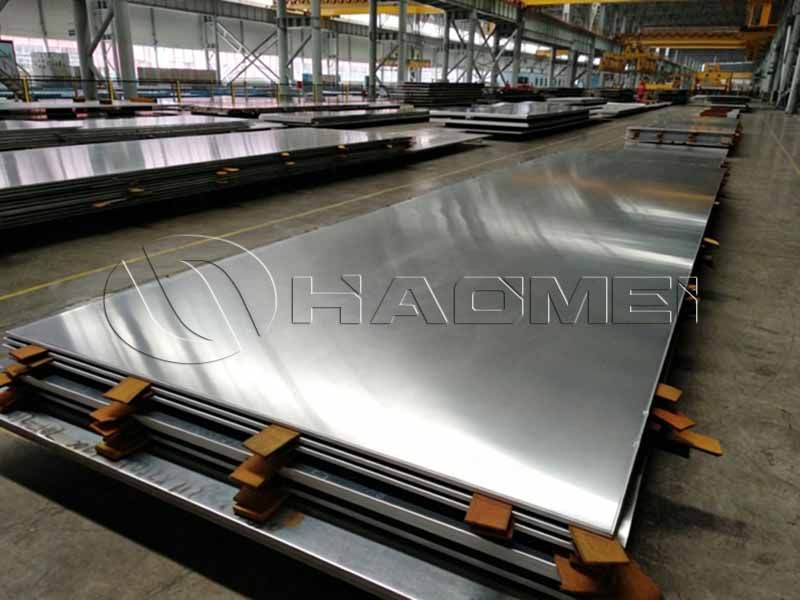
Firstly, the core definition of structural aluminum plates is aluminum plates that "bear the structural loads of the ship, ensuring the strength and stability of the hull." They must possess sufficient tensile strength, yield strength, and weldability to withstand the dynamic loads and stress impacts of the marine environment. Marine-grade aluminum plates, however, have a broader scope, encompassing both structurally functional aluminum plates and non-structural aluminum plates used for decoration, protection, and auxiliary components.
Secondly, in terms of alloy grades, marine structural aluminum plates are mainly concentrated in the 5-series (aluminum-magnesium alloys) and some 6-series (aluminum-magnesium-silicon alloys), such as 5083, 5086, 5454, and 6082. These grades, through alloying treatment, possess high strength, seawater corrosion resistance, and excellent weldability, fully meeting the performance requirements of structural aluminum plates and serving as core materials for ship structures.
On the other hand, some marine aluminum plates, such as 1050 and 1060 pure aluminum plates, are mainly used for non-load-bearing parts such as interior decoration and pipe insulation, and have weaker mechanical properties; therefore, they do not belong to the category of structural aluminum plates.
Core Applications of Aluminum Structural Plates
(I) Core Structural Components of the Hull
These components bear the hull load, resist seawater corrosion, and ensure navigational safety. They are primarily constructed from 5-series aluminum-magnesium alloys, with specific applications as follows:
1. Bottom/Side Plating: Preferred materials are 5083 (4.0%-4.9% magnesium content, tensile strength 275-310 MPa, weight reduction 20%+) and 5086 aluminum plates. Both offer strong seawater corrosion resistance and are suitable for various types of vessels. EN AW 5086 exhibits superior corrosion resistance compared to 5052, making it suitable for highly corrosive environments.
2. Deck and Support Structures: 5083 (high strength, excellent weldability, used for cargo ships/large yachts' main decks), 5052 (low cost, corrosion resistance, used for small vessels), and 5454 (high strength, corrosion resistance, used for heavy vessel supports).
3. Bulkheads, Ribs, and Keels: 5083, 5456 (high strength, used for heavy vessel bulkheads/ribs), and 6061 (excellent machinability, used for precision supports and keel auxiliary structures, suitable for streamlined designs).
4. Engine Mount: 5083 aluminum plate is preferred due to its high strength, fatigue resistance, and good weldability, which secures the engine and reduces vibration.
(II) Marine Power and Fuel Systems (Structural/Non-Structural Combination)
Balancing corrosion resistance and sealing performance, structural aluminum plates are used for core components, while non-structural aluminum plates are used for auxiliary components:
1. Fuel Tanks and Seawater Storage Tanks: 5083, 5086, and 5454 structural aluminum plates are selected for leak-proof and corrosion-resistant properties; 5086 offers the best corrosion resistance and is suitable for fuel/seawater contact scenarios.
2. Oil Pipelines and Fittings: 1060 and 3003 non-structural aluminum plates are used for non-load-bearing parts (easy to seal and process); 5052 and 6061 structural aluminum plates are used for load-bearing parts (balancing strength and corrosion resistance).
(III) Special Vessels and High-End Applications
- Minesweepers: 5083 and 5454 non-magnetic structural aluminum plates are preferred to avoid magnetic interference and ensure safety.
- Sightseeing boats/yachts: The hull is constructed from 5083 and 5052 structural aluminum plates (lightweight), while the interior is decorated with brushed and color-coated aluminum plates to enhance aesthetics.
- Military vessels: Utilizing 5083 and 6082 reinforced structural aluminum plates, friction stir welding is employed to create a robust yet lightweight hull that meets operational requirements.
Original Source:https://www.marinealu.com/a/what-is-aluminum-structural-plate-and-where-is-it-used.html
Tags:
Prev:Aluminium 6082 VS 6061 in Shipbuilding
Next:The Main International Vessel Classification Society List