Marine Grade Aluminum For Sale
Holiday downtime, saltwater corrosion, and why alloy selection becomes urgent
Holiday shutdowns concentrate maintenance windows. For shipyards, ferry operators, offshore fabricators, and stockholders, the top concern is not availability alone. It is saltwater corrosion performance that must survive the next operating season without rework.
This article focuses on one feature that decides whether a repair lasts: pitting and intergranular corrosion resistance in seawater, especially for hull plating, decks, superstructures, gangways, tanks, and splash-zone components.
What "marine grade" means in verifiable terms (and what to request)
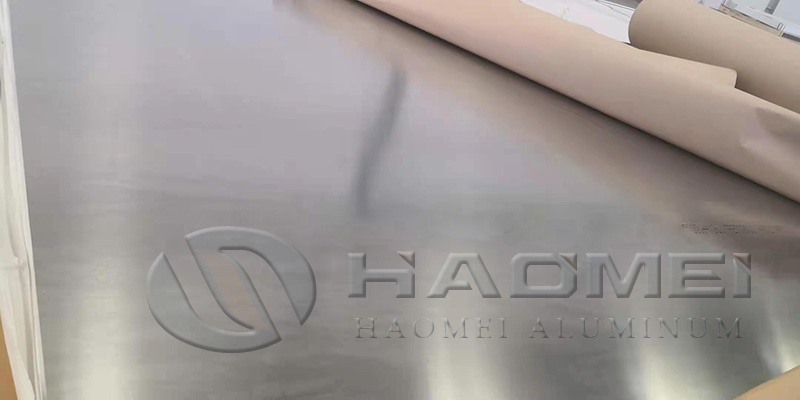
"Marine grade" is not a regulated single standard. In practice, it usually means 5xxx series aluminum-magnesium alloys (Al-Mg) used for marine structures because they maintain corrosion resistance and weldability.
Ask suppliers to document compliance to recognized specifications:
ASTM B928/B928M: Plate for marine service (commonly used for 5xxx plate). This standard is widely referenced to reduce susceptibility to intergranular corrosion in certain tempers.
ASTM B209: General aluminum sheet and plate.
EN 485: Aluminum and aluminum alloys, sheet/strip/plate.
EN 573: Chemical composition.
EN 10204: Inspection documents (3.1 certificate is commonly requested).
Checklist for RFQs (corrosion-focused):
Alloy and temper (example: 5083-H116 or 5083-H321).
Product form: sheet/plate, profiles, pipe fittings, welding wire.
Applicable standard: ASTM B928 for marine plate when relevant.
Mill test certificate: EN 10204 3.1 with chemistry and mechanical properties.
Corrosion-related note: specify that material is intended for seawater or splash zone service, and request confirmation that the temper is suitable for marine exposure.
Traceability: heat number marking, packing list with heat mapping for cut pieces.
Compare common seawater alloys: choose based on corrosion risk and welding reality
Below is a practical comparison for saltwater-facing structures. Values such as typical use cases and standard references are verifiable through ASTM/EN standards and widely published marine design practices. Exact mechanical properties depend on thickness and temper and must be verified on the MTC.
| Alloy (typical marine) | Why it is chosen | Corrosion behavior in seawater (practical) | Notes for welding and fabrication | When to avoid |
|---|---|---|---|---|
| 5083 (H116/H321) | High strength among 5xxx, proven marine track record | Strong resistance to seawater corrosion when specified for marine plate (e.g., ASTM B928) | Excellent weldability; common filler is 5356/5183 depending on design | Avoid service at elevated temperatures for long periods (strength loss typical for non-heat-treatable alloys) |
| 5086 | Good marine corrosion resistance; used in hulls and tanks | Very good; often selected when formability is prioritized | Welds well; widely stocked in sheet/plate | Similar temperature limitations as other 5xxx |
| 5052 | Great formability for thinner sheet, covers, trims | Good for general marine environments; less strength than 5083/5086 | Easy forming and welding | Avoid where higher structural strength is required |
If your holiday shutdown plan includes structural repairs, 5083 plate/sheet is frequently specified for its combination of strength and seawater performance, provided the temper and standard match marine service.
To keep product selection specific, the two most relevant internal product pages for this corrosion-focused need are Alu 5083 and Alu 5086.
Holiday solution: prevent rework by controlling three corrosion drivers
Corrosion complaints after repairs usually trace back to one of these drivers. Address them before placing orders.
1) Wrong temper or non-marine plate standard
For plate in seawater, requesting ASTM B928/B928M (where applicable) and marine tempers (commonly H116/H321) helps reduce risk tied to intergranular corrosion sensitivity in certain 5xxx products.
Action: Put the standard and temper on the PO. Ask for EN 10204 3.1 certificates.
2) Poor weld consumable matching or uncontrolled heat input
5xxx alloys are weldable, but filler selection matters for cracking resistance and joint performance.
Action: State base alloy, joint type, and service environment; request recommended wire (commonly 5xxx fillers). Confirm wire diameter, spool type, and packaging moisture protection for holiday storage.
3) Galvanic coupling and crevice traps
Aluminum coupled to more noble metals (some stainless steels, copper alloys) in seawater can accelerate attack.
Action: Plan isolation (gaskets, coatings, sealants) and drainage. Specify compatible fasteners and insulating washers.
Fast holiday-readiness checklist (operations):
Confirm alloy/temper for each component (hull plate vs. brackets vs. covers).
Request MTCs (EN 10204 3.1) and standard compliance (ASTM B928 for marine plate when used).
Define cut-to-size tolerances and edge condition (saw cut vs. sheared) to reduce fit-up time.
Schedule welding wire delivery early enough to avoid holiday carrier delays.
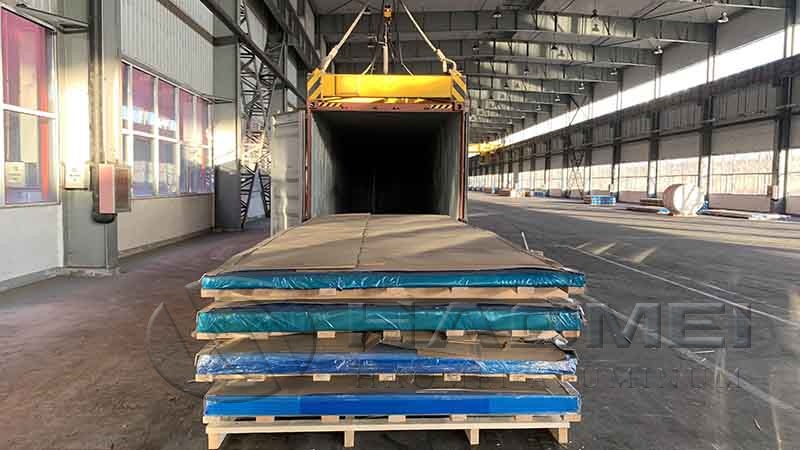
Verify packaging: anti-stain interleaving paper, seaworthy packing for export, moisture barriers.
Product forms that reduce downtime: sheet, profiles, wire, and fittings
Marine projects rarely need plate alone. A corrosion-safe holiday plan bundles the forms that prevent work stoppages.
Sheet/plate: for replacement panels, decks, tanks, ramps.
Profiles: for framing, rub rails, stiffeners.
Welding wire: to match base metal and keep joints consistent.
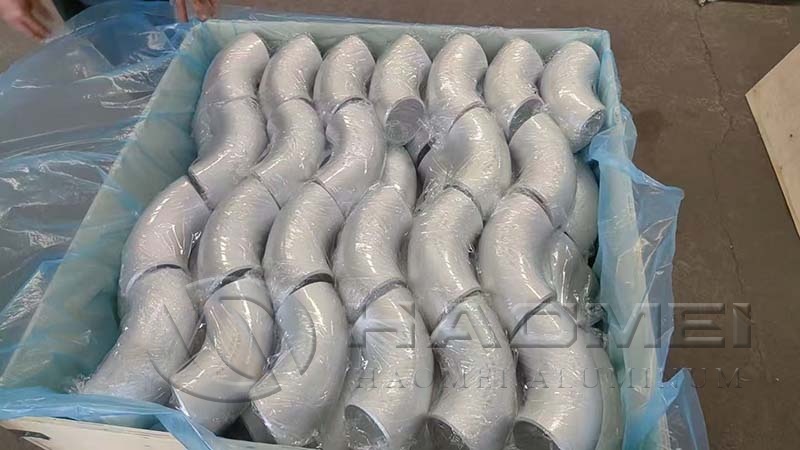
Pipe fittings: elbows, reducers, flanges for lightweight marine piping systems (where aluminum piping is used and compatible with the fluid and design).
Pricing and lead-time controls that procurement teams can verify
Metal pricing moves with exchange-traded aluminum and regional premiums, so exact numbers should be quoted for your destination, temper, thickness, and cut plan. To make quotes comparable and auditable, request these line items explicitly:
Alloy/temper and standard (avoid "marine grade" only).
Thickness, width, length, and tolerance class.
Unit basis (per kg vs. per sheet) and scrap factor assumptions for cut-to-size.
Certification cost (EN 10204 3.1) and any third-party inspection.
Packing method, pallet type, container loading plan.
Lead time by product form (plate vs. wire vs. fittings often differ).
Quote comparison table (copy into your RFQ):
| Item | Supplier A | Supplier B |
|---|---|---|
| 5083-H116 plate to ASTM B928 (Y/N) | ||
| EN 10204 3.1 MTC included (Y/N) | ||
| Cut-to-size tolerance | ||
| Packing for marine export (Y/N) | ||
| Wire alloy/diameter/spool | ||
| Earliest ship date (by form) |
When holiday schedules compress, corrosion performance is protected by documentation and discipline: specify 5xxx alloy, insist on the right temper and standard, and align welding and isolation details before the material arrives.
Original Source:https://www.marinealu.com/a/marine-grade-aluminum-for-sale.html
Tags: marine aluminum sheet , 5083 aluminum plate ,
Prev:What Is Aluminum Steel Transition Joint in Shipbuilding