Marine Grade Aluminium Suppliers
For shipbuilding, offshore structures, and coastal equipment, the main concern is usually not nominal price. It is consistency: alloy identity, temper control, corrosion performance, weldability, and documentation that will pass class and project review. This article focuses on how to evaluate marine grade aluminium suppliers
What products are usually covered
In marine projects, purchasing teams commonly source:
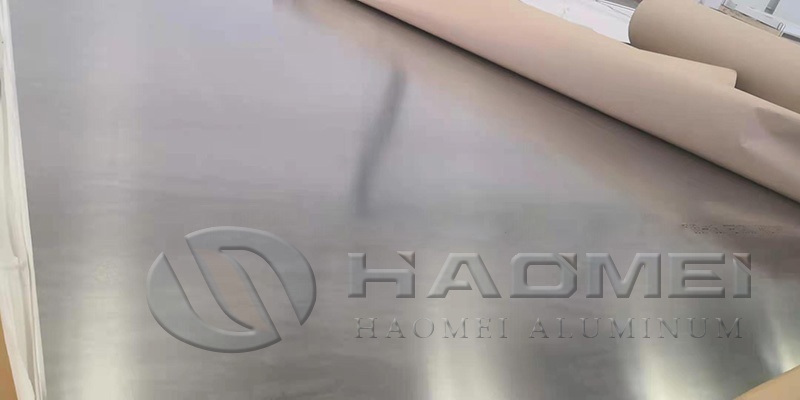
Aluminum sheet and plate for hulls, decks, superstructures, and tanks
Extruded profiles for framing and walkways
Welding wire for MIG welding, commonly 5183, 5356, and 5556 depending on alloy and strength target
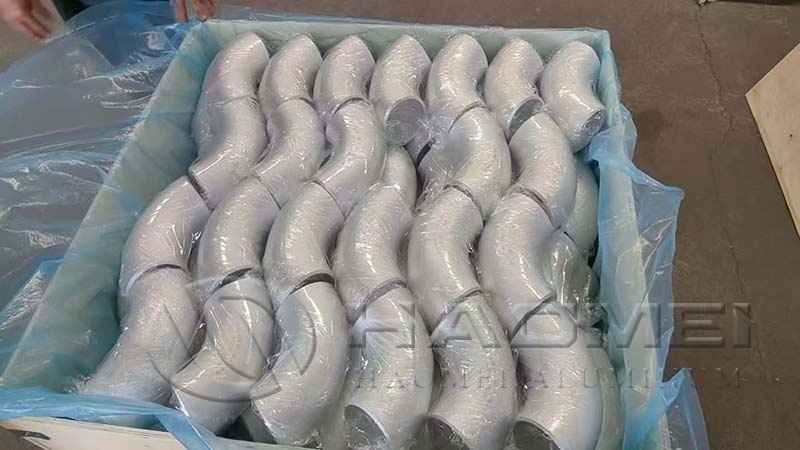
Aluminum elbows and reducers for lightweight piping systems
Typical marine aluminum alloys include 5083, 5086, 5383, 5059, 5052, and 5456. For hull structures, 5xxx series Al-Mg alloys are common because they combine seawater corrosion resistance with good weldability.
Standards to verify before comparing suppliers
A reliable supplier should clearly state the applicable product standard, delivery condition, and third-party or class approval status.
Marine aluminum standards commonly requested
| Product | Common standards to verify | What to check |
|---|---|---|
| Sheet and plate | ASTM B928/B928M, ASTM B209/B209M, EN 485, EN 573, EN 10204 | Alloy, temper, mechanical properties, corrosion requirements, inspection documents |
| Extruded profiles | ASTM B928 where applicable, ASTM B221/B221M, EN 755 | Section tolerance, temper, straightness, mechanical properties |
| Welding wire | AWS A5.10/A5.10M | Filler designation such as ER5183 or ER5356 |
| Aluminum pipe fittings | Project spec, dimensional standard, material certificate | Alloy match, wall thickness, weldability |
For shipbuilding, project teams often also require approval from classification societies such as DNV, Lloyd's Register, ABS, or Bureau Veritas. If a supplier claims marine suitability, ask whether the material has type approval or whether each heat can be supplied with class-endorsed certificates.
The most important technical issue: corrosion after welding
For marine structures, corrosion performance in the welded condition matters more than brochure strength values.
5xxx alloys gain seawater resistance from magnesium content, but they must be controlled carefully. Improper processing or prolonged exposure to elevated temperatures can increase susceptibility to intergranular corrosion or exfoliation in some Al-Mg alloys. This is why product form, temper, and manufacturing route must match recognized standards.
If a quotation simply says "5083 H116" without citing the product standard, ask for the full designation and inspection basis. Many shipyards prefer H116 or H321 tempers for plate used in marine structures.
Natural product references include Alu 5083 for general hull and deck applications, and Alu 5086 where good weldability and marine corrosion resistance are needed.
Practical test checklist for supplier qualification
Ask for test evidence by heat and lot, not only a generic data sheet.
Minimum document package
Mill test certificate to EN 10204 3.1, or project-required equivalent
Chemical composition by heat
Mechanical test results by batch and temper
Traceability from heat number to shipment marking
Class society certificate if required by contract
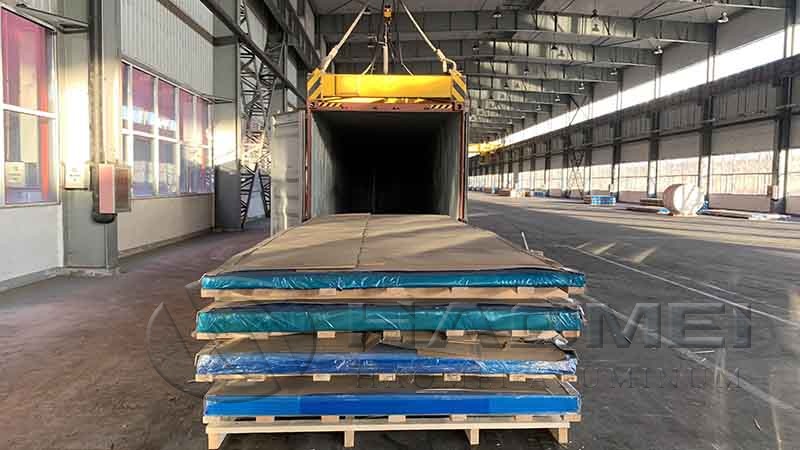
Packing and preservation method for marine transport
Recommended verification tests
| Test | Why it matters | Typical application |
|---|---|---|
| Chemical analysis | Confirms alloy identity and Mg range | All aluminum and stainless products |
| Tensile test | Confirms strength and elongation | Sheet, plate, profiles, pipe |
| Bend test, if specified | Screens forming performance | Sheet and profiles |
| Exfoliation or intergranular corrosion test where applicable | Verifies marine corrosion resistance | 5xxx marine plate |
| Ultrasonic inspection | Detects internal discontinuities in thick plate | Structural plate |
Comparing suppliers: what changes total project risk
| Evaluation point | Strong supplier signal | Risk signal |
|---|---|---|
| Standard citation | Full standard, alloy, temper, and revision stated | Only trade name or alloy shorthand |
| Marine experience | Supplies shipyards, offshore fabricators, class projects | General industrial supply only |
| Width and thickness range | Can supply required plate sizes with low joining loss | Frequent substitutions or split lots |
| Documentation | Heat-level MTCs, class papers, traceability | Generic certificate not tied to shipment |
| Welding support | Recommends filler wire by base alloy and service | No welding compatibility advice |
| Surface protection | Controlled packing to reduce transit damage and contamination | Mixed storage and poor wrapping |
| Stainless integration | Can align aluminum and stainless documents in one package | Separate uncontrolled sources |
Questions to send to shortlisted suppliers
For aluminum sheet, plate, and profiles
What exact standard is the material supplied to: ASTM B928, ASTM B209, EN 485, or other?
What temper is offered for marine service: H111, H116, H321, or other?
Can you provide class-approved certificates for each heat?
What are the guaranteed flatness, thickness tolerance, and maximum plate size?
Which filler wire do you recommend for welded strength retention and why?
Common sourcing mistakes to avoid
Comparing 5083 commercial stock against marine-certified plate as if they were equivalent
Accepting a welding wire recommendation without matching it to base alloy and service condition
Using aluminum fittings in services that require stainless for pressure, temperature, or media compatibility
Overlooking heat traceability on mixed-thickness shipments
Accepting certificates that do not match actual shipping marks
Fast screening checklist for approved vendor lists
| Check item | Accept | Hold |
|---|---|---|
| Full alloy and temper designation shown | Yes | No |
| Standard clearly listed | Yes | No |
| Heat traceability available | Yes | No |
| Marine corrosion test basis stated where required | Yes | No |
| Class documentation available | Yes | No |
| Packing suitable for sea transport | Yes | No |
For large-volume orders, the best-performing suppliers are usually the ones that reduce engineering clarifications before production starts. Ask for standards first, test evidence second, and only then compare lead time and price.
Original Source:https://www.marinealu.com/a/marine-grade-aluminium-suppliers.html
Tags: marine grade aluminium suppliers , marine aluminum products ,