Marine Aluminum Pipe for Shipbuilding
Marine aluminum pipe is widely used in lightweight ship structures and onboard systems where corrosion resistance, weldability, and consistent tolerances matter. Compared with steel piping, aluminum reduces weight significantly, helping improve payload efficiency and stability margins, especially on fast craft, patrol boats, workboats, and passenger vessels.
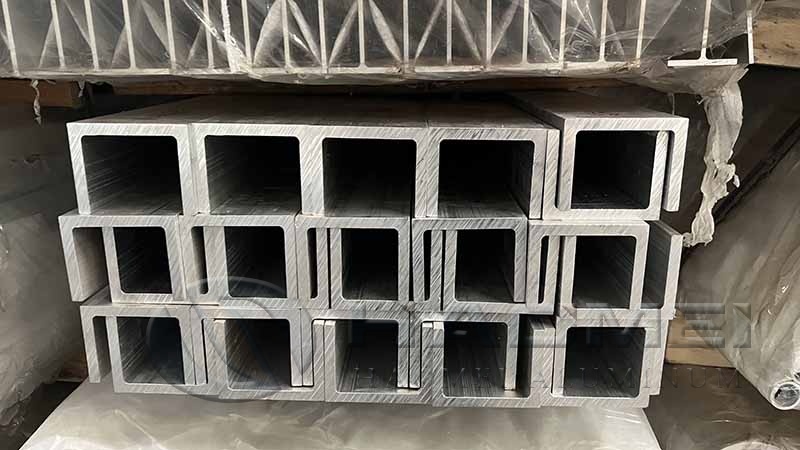
In shipbuilding, aluminum tubing typically falls into two application paths. One is structural and outfitting use, such as handrails, masts, supports, ladders, and cable protection. The other is fluid and air service, such as ventilation trunks, scuppers, and selected low pressure lines where the designer approves aluminum and the media is compatible. Material selection should follow the vessel specification, class requirements, and the actual service environment, including seawater exposure, bilge splash, crevice conditions, and galvanic contact risk.
Typical alloys and tempers used on vessels
Choosing alloy is the first step to stable fabrication and long service life. Marine projects commonly split into two alloy families.
5xxx series (Al Mg), such as 5083 and 5086, are valued for excellent seawater corrosion resistance and strong performance in welded condition. They are common near the hull and in exposed outfitting.
6xxx series (Al Mg Si), such as 6061, 6082, and 6063, are heat treatable alloys often selected for extruded profiles and pipe where good formability, machinability, and availability of precise shapes are important.
Below is a practical comparison used in procurement discussions. Final compliance should always match the contract, drawing, and class or yard standard.
| Alloy family | Common grades | Strength trend | Corrosion in seawater | Weldability | Typical ship use |
|---|---|---|---|---|---|
| 5xxx (Al Mg) | 5083, 5086 | Medium to high | Excellent | Very good | Hull adjacent outfitting, exposed structures, brackets, pipe supports |
| 6xxx (Al Mg Si) | 6061, 6082, 6063 | Medium (temper dependent) | Good with proper isolation | Good | Extruded pipe and shapes, rail systems, frames, equipment bases |
When specifying 6xxx material for welded assemblies, consider that heat affected zones can reduce strength relative to the parent temper. For designs that depend on post weld strength, align expectations early with the yard and engineer.
Forms, dimensions, and tolerances that affect installation
Marine projects often require more than a simple diameter and wall. Fit up time, welding distortion control, and alignment depend heavily on dimensional consistency.
Key options to define on a purchase order:
Shape: round tube, square tube, rectangular tube.
Delivery form: extruded lengths, drawn tube for tighter tolerances, or bent sections if approved.
Wall thickness control: important for butt weld quality and pressure integrity.
Straightness and ovality limits: critical for long ventilation runs and for flange or coupling alignment.
Surface condition: mill finish, anodized, or coated as specified.
If your design uses integrated systems made from profiles and pipe, matching alloys across connected parts reduces welding variability. For example, when the piping interfaces with structural shapes, coordinating with Boat Extrusions helps maintain consistent temper, corrosion behavior, and finishing methods.
Many shipyards also align their tubing selections with sheet and plate stocks to streamline traceability and qualification ranges. In aluminum vessels, 5083 sheet and plate are commonly used in the same production environment as 5xxx tubing, making weld procedure management simpler.
Welding, corrosion control, and quality documentation
Welding practices and filler selection
Most marine aluminum piping and tubing is welded with MIG or TIG, depending on wall thickness and access. Typical best practices include:
Cleanliness: remove oxide and contaminants with dedicated stainless brushes and solvent cleaning where permitted.
Fit up: tight, uniform root gaps reduce burn through and porosity.
Heat control: manage interpass temperature to limit distortion and preserve properties.
Filler wire choice depends on base alloy and design requirements. For 5xxx base metals, fillers in the Al Mg family are common, while 6xxx welds may use different fillers depending on crack sensitivity and corrosion performance. Always confirm compatibility with the applicable welding procedure qualification record.
For projects using 6xxx tube in fabricated assemblies, specifying a known and consistent base grade such as Alu 6082 can support stable weldability and sourcing, especially when extruded availability and mechanical property targets are important.
Corrosion prevention in real ship environments
Aluminum performs well in marine atmospheres, but failures usually come from details, not from the alloy itself. Typical controls include:
Galvanic isolation: avoid direct contact with carbon steel, copper alloys, and stainless in wet zones. Use isolation pads, sleeves, and compatible fasteners.
Coating systems: follow the paint maker system for aluminum, especially on splash zones and crevices.
Drainage and ventilation: design to avoid trapped seawater and stagnant bilge exposure.
Crevice management: seal lap joints where required and avoid unsealed pockets.
Quality assurance and traceability
Bulk orders for shipbuilding usually require documentation that supports yard QA and class inspection. Common deliverables include:
Mill test certificate with heat number traceability.
Dimensional inspection records for OD, wall thickness, ovality, and straightness.
Visual standards for surface quality and extrusion defects.
If required by the project, non destructive testing plans for welded spools or assemblies.
For procurement teams, a clear specification package reduces rework. Include alloy, temper, standard reference (as specified by the project), sizes and tolerances, required length and end condition, marking requirements, and packaging suited for marine transport to avoid damage and contamination during handling.
By aligning alloy choice, dimensional control, welding practice, and corrosion detailing, aluminum piping and tubing can deliver long service life with lower weight and efficient fabrication for modern shipbuilding programs.
Original Source:https://www.marinealu.com/a/marine-aluminum-pipe.html
Tags: Marine aluminum pipe , Aluminum pipe for shipbuilding ,