Extruded Aluminum Boat Gunnel
Bulk marine fabricators often use an extruded aluminum gunnel profile to stiffen the hull edge, create a clean attachment surface for topside panels, and protect the sheer line from impact. Confusion usually comes from mixed terminology. Some teams say gunnel, others say gunwale, cap rail, or rub rail. In practice, the part can be structural, protective, or both, depending on profile design, alloy, and how it is joined to the hull.
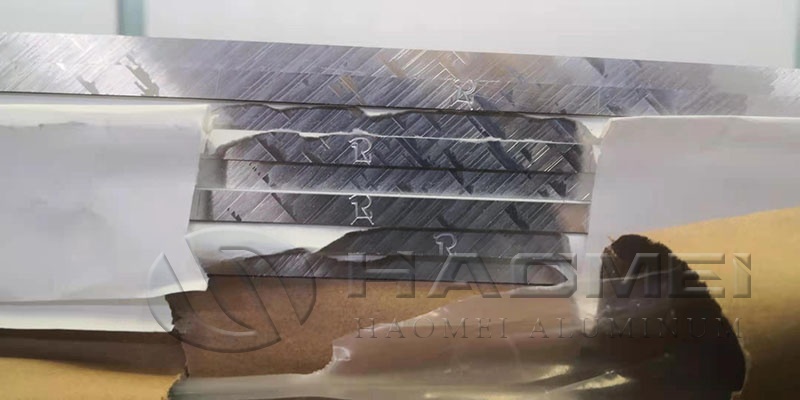
What this profile does, and how it differs from a rub rail
A gunnel extrusion commonly acts as a perimeter beam. It can increase local stiffness at the sheer, reduce oil canning near the deck edge, and provide a consistent flange for fastening decks, side sheets, or interior liners. A rub rail, by contrast, is often treated as a sacrificial impact strip. Many boats combine both roles by using a thicker extrusion with an insert groove for a polymer bumper.
For bulk purchasing, the distinction matters because a structural edge member is specified by section properties and deflection targets, while a protective rail is specified more by fit, aesthetics, and replaceable inserts.
Alloy choices, mechanical expectations, and weldability
Most marine edge extrusions are sourced in 6xxx series alloys because they are readily extrudable and respond well to heat treatment. In many supply chains, 6063 is favored for surface finish and complex shapes, while 6061 is selected when higher strength is needed. When your design requires a known, consistent extrusion grade, it can be practical to align with a standard such as Alu 6063 and then confirm temper and test requirements in the purchase order.
Key considerations you should align between design, fabrication, and procurement:
| Selection factor | 6063 type alloys (typical use) | 6061 type alloys (typical use) | What to specify in ordering |
|---|---|---|---|
| Extrudability and shape complexity | Excellent for thin walls and grooves | Good, but may limit very thin features | Minimum wall thickness, corner radii, die lines tolerance |
| Surface finish | Typically better for visible rails | Good, sometimes slightly less uniform | Finish requirement, anodize suitability, cosmetic faces |
| Strength requirement | Moderate | Higher | Minimum mechanical properties by temper, test certificates |
| Welding behavior | Commonly welded in production | Commonly welded in production | Welding process, filler compatibility, post weld cleanup |
| Corrosion control | Needs proper isolation and finishing | Needs proper isolation and finishing | Coating or anodize, isolation from dissimilar metals |
Note on authority and verification: exact mechanical property values depend on alloy and temper and are defined in recognized standards and mill certifications. For purchasing, rely on supplier test reports and the referenced standard rather than informal tables.
Dimensions, tolerances, and what creates fit issues
Most confusion in the field comes from fitup: the profile rocks on the hull edge, gaps appear at the bow radius, or fasteners misalign with internal structure. Those problems are usually tolerance stack ups, not a single bad part.
Common points to control:
Wall thickness and internal groove width. Insert channels for rubber or vinyl bumpers need consistent groove geometry to avoid loose inserts.
Straightness and twist. Long lengths can arrive with minor camber. If you are nesting on racks or shipping in bundles, packaging can add set.
Corner radii and bow forming. Tight radii can thin the outside wall and cause cosmetic marks.
Cut length tolerances. If you splice sections, cut consistency affects joint gaps and sealing.
A practical ordering approach is to call out: section drawing revision, critical dimensions with tolerances, cosmetic face definition, maximum twist per meter, maximum camber per meter, and inspection method. If you plan to anodize, define acceptable surface class and any limitations on die lines.
Typical profile features and why they are specified
| Feature | Why it is used | Procurement detail that prevents rework |
|---|---|---|
| Top cap flange | Covers hull edge and hides weld seam | Minimum flange width, flatness, cosmetic face |
| Inner return leg | Adds stiffness and a fastening surface | Hole pattern plan, minimum leg thickness |
| Insert groove | Holds bumper insert or trim | Groove width tolerance, corner break requirement |
| Drain or weep path | Reduces trapped water | Location and size, deburr requirement |
| Splice pocket | Aligns joints between lengths | Splice bar fit tolerance, alloy match |
Joining methods, sealing, and galvanic corrosion control
Joining is usually one of three methods: welding, mechanical fastening, or adhesive plus fastening. Your choice influences alloy, temper, and finishing.
Welding: common for fully structural rails. Specify weld access, expected heat input, and how post weld grinding is handled on cosmetic faces.
Mechanical fastening: useful for serviceable rails and insert type bumpers. Specify hole spacing, fastener material, and whether holes are drilled, punched, or left solid for customer machining.
Adhesive or sealant: often used to reduce vibration and water ingress. Specify surface prep requirements and whether a conversion coating is applied.
Because aluminum is anodic relative to stainless steel and other common marine metals, isolation is essential in wet environments. Typical controls include non conductive washers, sealant barriers, and coating systems. When pairing the rail with other marine structural material such as marine aluminum plate components on decks or sidewalls, keep coating continuity in mind so dissimilar metal contact points do not become corrosion sites.
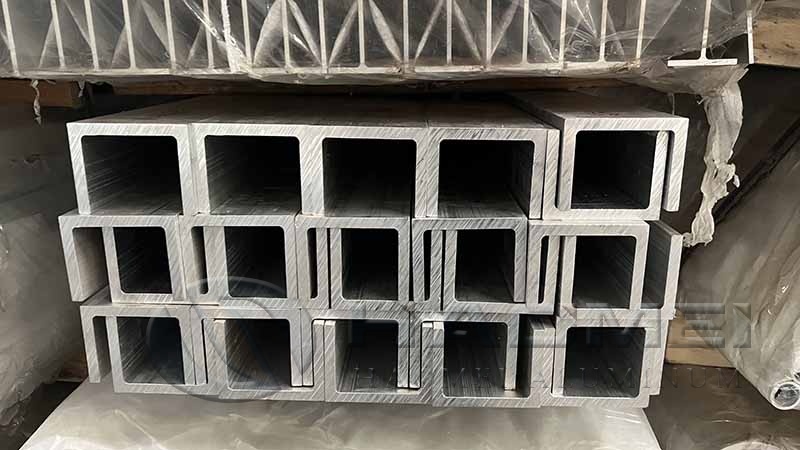
What bulk purchasers should ask for before placing a production order
To reduce variability across lots and avoid line stoppages, align these deliverables with your supplier:
Alloy and temper, with mill test reports and lot traceability.
Dimensional inspection plan for critical features, including twist and straightness.
Surface requirements: cosmetic faces identified, acceptable die line level, and any anodize or coating expectations.
Packaging method: bundle protection, interleaving, and maximum lift point spacing to prevent set.
Secondary processing: cut to length, pre drilling, or slotting, with burr control requirements.
Incoming inspection checkpoints that catch most problems
| Checkpoint | Simple method | Typical issue caught |
|---|---|---|
| Groove fit | Go or no go gauge or insert sample | Loose or overly tight bumper insert |
| Straightness | String line or straight edge along length | Camber from shipping or extrusion stress |
| Twist | Measure corner height variation on a flat table | Rail rocking on hull edge |
| Surface | Visual check under consistent lighting | Cosmetic defects on exposed faces |
| Length | Calibrated tape and sampling plan | Splice gaps, misalignment at corners |
By defining the profile function first, then locking down alloy, temper, tolerances, and finishing expectations in the purchase order, bulk teams can keep production consistent, reduce rework at assembly, and maintain a clean, durable sheer line on every build.
Original Source:https://www.marinealu.com/a/extruded-aluminum-boat-gunnel.html
Tags: extruded aluminum gunnel , aluminum rub rail ,
Prev:What Is The Most Widely Used Marine Structural Aluminum Alloy Worldwide