ER5356 Rod
During the last three months, English-language searches and Q&A discussions have repeatedly focused on ER5356 rod selection for marine aluminum structures, 5xxx plate, 6xxx profiles, and corrosion-exposed fabrications. The questions are practical: whether the filler matches a base alloy, how it performs after anodizing, and how to avoid porosity or feeding problems.
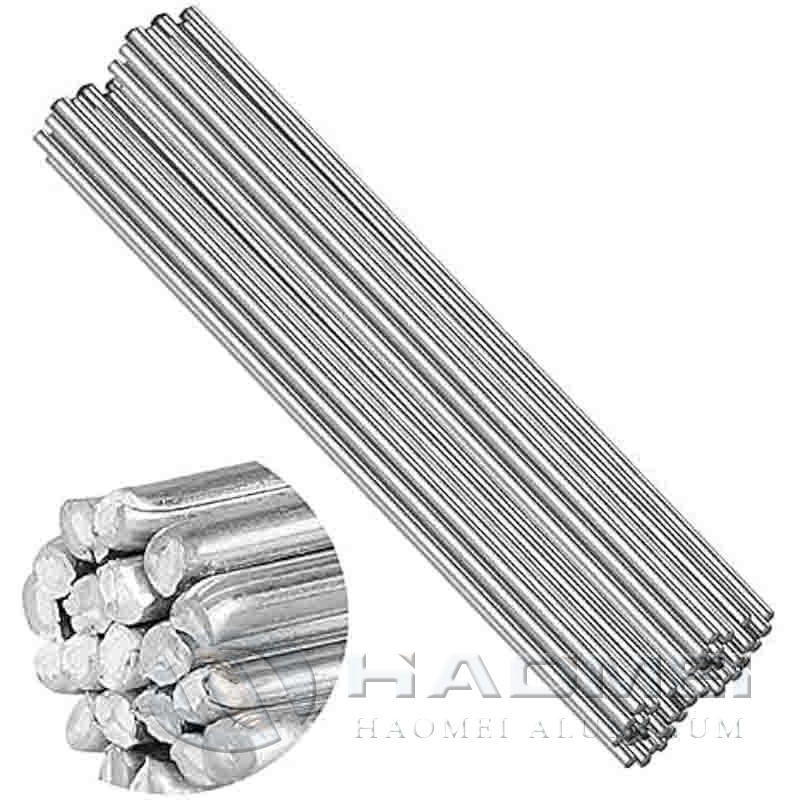
ER5356 is an aluminum-magnesium filler alloy commonly supplied as TIG rod and MIG wire. Its magnesium content gives it higher deposited-weld strength than ER4043, while chromium additions support service in marine and industrial atmospheres. It is widely specified for 5083, 5086, 5052, and related alloys, but filler selection still depends on the base material, joint design, operating temperature, and finishing requirements.
1. Can ER5356 rod be used to weld 6061 aluminum?
Yes, ER5356 rod can weld 6061 aluminum, especially where higher joint strength, better color matching before finishing, or compatibility with 5xxx-series material is needed. It is often selected for 6061-to-5052, 6061-to-5086, and aluminum profile-to-plate joints used in marine railings, deck structures, frames, and equipment housings.
However, ER5356 is not automatically the preferred choice for every 6061-to-6061 weld. ER4043 can offer better resistance to solidification cracking in some highly restrained 6xxx joints. The decision should be based on the actual fabrication conditions rather than the base-alloy name alone.
| Application condition | ER5356 rod suitability | Practical consideration |
|---|---|---|
| 5083 or 5086 marine plate | Excellent | Common choice for strength and seawater-facing structures. |
| 5052 sheet and fittings | Excellent | Provides a strong, magnesium-compatible weld deposit. |
| 6061 to 6061 | Conditional | Assess crack sensitivity, restraint, and finish expectations. |
| 6061 to 5xxx alloy | Often suitable | Useful where the 5xxx side drives filler selection. |
| Service above 65 C / 150 F | Use caution | Magnesium-bearing filler can be unsuitable for prolonged elevated-temperature duty. |
For pressure-containing pipe fittings or structural profiles, verify the applicable welding procedure specification. Base-metal temper is also important because the heat-affected zone around 6061-T6 loses significant strength regardless of the filler used.
2. Why does an ER5356 weld turn dark after anodizing?
This is one of the most common finish-related questions. ER5356 contains magnesium and chromium, so it can anodize a noticeably darker gray than 6061 base metal. The contrast may be minor on mill-finish parts, but it can become obvious on decorative profiles, handrails, architectural panels, and machined components.
A dark anodized weld does not necessarily indicate a bad weld. It is usually a chemical-color response caused by the different filler composition. If a uniform cosmetic anodized appearance is critical, discuss filler alloy and finishing trials before production. ER4043 may produce a different appearance, but it also does not guarantee an invisible color match.
For painted marine assemblies, ER5356 is frequently less problematic because coating systems can mask the filler-to-base-metal color difference. Surface preparation remains essential: remove oxide, welding soot, oil, and salt contamination before coating.
3. Is ER5356 better than ER4043 for marine aluminum welding?
For many marine fabrications made from 5083, 5086, 5454, or 5052, ER5356 is usually the more appropriate filler. It offers stronger weld metal than ER4043 and is commonly used where aluminum panels, vessel structures, ladders, brackets, tanks, and deck equipment face salt-laden air or intermittent seawater exposure.
That said, the word "better" can mislead. ER4043 remains valuable for certain 6xxx applications because its silicon content can improve fluidity and reduce cracking risk. The correct filler is the one that meets the weld procedure, mechanical requirements, corrosion environment, and finish target.
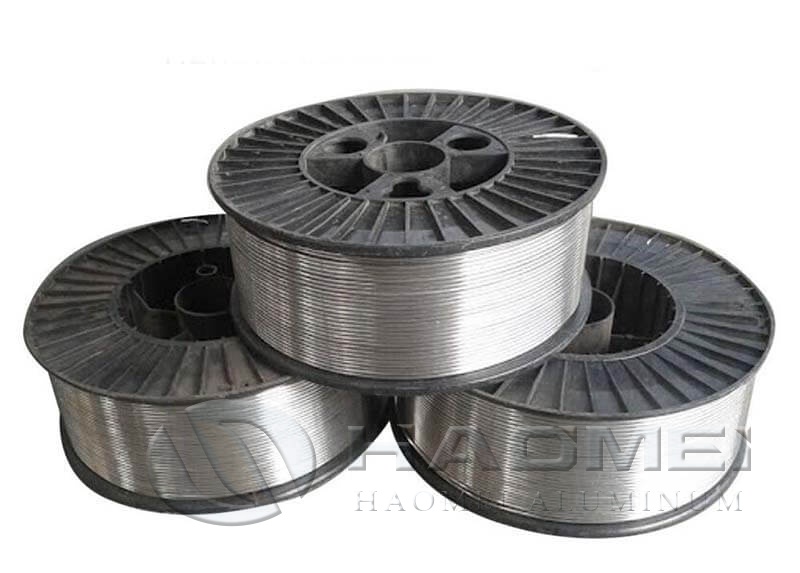
A useful procurement check is to compare the filler designation, diameter, temper, packaging, and required certification. For MIG applications, properly stored Alu Wire should have a clean, smooth surface and stable winding to support consistent wire feeding. For TIG work, rods should be straight, dry, and free from visible oxidation or handling contamination.
4. What polarity and shielding gas should I use with ER5356 rod?
For TIG welding with ER5356 rod, use AC current with high-purity argon in most manual aluminum applications. AC provides oxide-cleaning action while maintaining adequate penetration. The exact amperage depends on material thickness, joint preparation, torch size, and travel speed.
For MIG welding with ER5356 wire, use DCEP polarity, also called reverse polarity, with 100 percent argon as the usual starting shielding gas. A push torch angle generally improves gas coverage and helps the operator see the weld pool. Aluminum wire expands as it heats, so contact-tip sizing and drive-roll setup matter more than many new operators expect.
Common setup checks include:
Use U-groove drive rolls for soft aluminum wire.
Keep the liner clean and suitable for aluminum service.
Avoid excessively long torch leads where possible.
Clean the joint with a dedicated stainless steel brush after degreasing.
Remove thick oxide layers immediately before welding.
Confirm adequate gas flow without creating turbulence.
Porosity is often caused by moisture, hydrocarbons, poor gas coverage, or contaminated base metal rather than the ER5356 rod itself.
5. Does ER5356 rod need special storage after opening the package?
ER5356 should be stored clean, dry, and protected from workshop dust, moisture, grinding residue, and chemical vapors. Aluminum does not rust like carbon steel, but moisture and contamination can contribute to hydrogen porosity and unstable arc behavior. Rods handled with oily gloves may introduce enough contamination to affect appearance or weld soundness.
Keep unopened material in its original packaging until required. After opening, return unused rods to a sealed container or clean cabinet. Do not place filler rods directly on a dirty workbench, galvanized surface, or floor. Separate them from carbon steel consumables to reduce cross-contamination.
For marine repair work, extra attention is needed when the parent metal has been exposed to saltwater. Rinse soluble salts, degrease the area, mechanically remove oxide, and weld only after the joint is fully dry. A clean ER5356 rod cannot compensate for chloride-contaminated base material or a poorly prepared groove.
Original Source:https://www.marinealu.com/a/er5356-rod.html
Tags: ER5356 rod , ER5356 filler metal , aluminum welding rod , marine aluminum welding , 5356 welding wire ,
Prev:C70600 Pipe in Naval and Commercial Shipbuilding
Next:Marine Aluminum Piping for Yacht and High-Speed Craft Construction