5083 Marine Grade Aluminum
Marine fabricators, boat owners, and project engineers frequently ask whether 5083 marine grade aluminum is worth specifying for hull structures and seawater-exposed equipment. The questions below reflect the practical English-language search wording commonly used in recent discussions on search engines and Q&A communities. The answers focus on material selection, not only nominal alloy names.
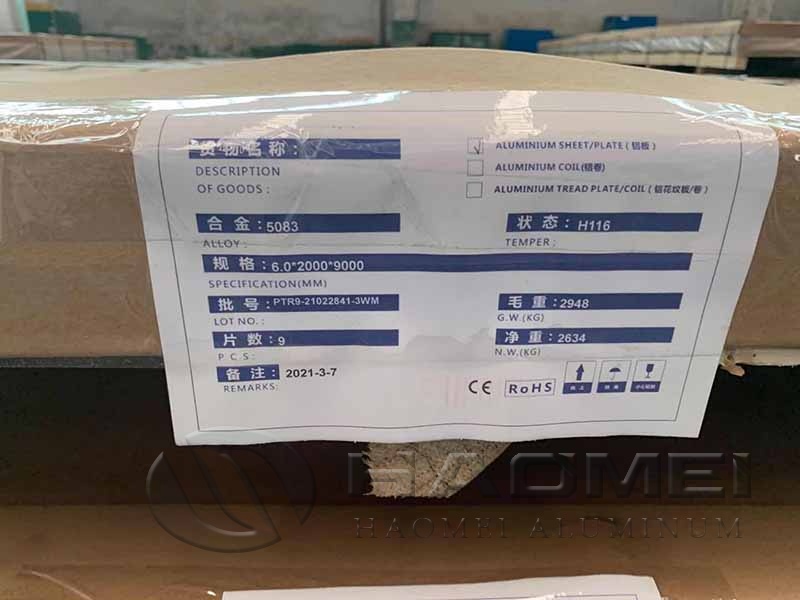
1. Is 5083 aluminum really suitable for saltwater boats?
Yes, provided the material is correctly specified, fabricated, and isolated from dissimilar metals. 5083 is an Al-Mg alloy with strong natural resistance to seawater corrosion. Unlike heat-treatable structural alloys, it gains much of its strength through magnesium content and strain hardening, which makes it a well-established choice for welded hull plating, deck structures, superstructures, tanks, and workboats.
Its corrosion resistance does not mean every detail can be ignored. Salt deposits trapped under wet insulation, poor drainage, crevices around fasteners, and direct contact with stainless steel or carbon steel can still create localized corrosion risks. A well-designed aluminum vessel uses drainage paths, compatible sealants, electrical isolation, and clean fabrication practices.
| Condition | Expected 5083 Performance | Practical Requirement |
|---|---|---|
| Open seawater exposure | Very good | Remove salt deposits during maintenance |
| Welded hull plating | Very good | Use an appropriate filler and controlled heat input |
| Permanently wet crevices | Moderate risk | Avoid water traps and seal lap joints properly |
| Contact with stainless steel | Galvanic corrosion risk | Use nonconductive isolation materials |
| High-temperature service | Not preferred | Verify operating temperature before selection |
For hull applications, purchasers should ask whether the supplied sheet is ordinary commercial 5083 or certified marine material. The latter may require traceable heat numbers, mechanical test reports, dimensional inspection, and classification-society documentation.
2. What thickness of 5083 marine aluminum should I use for a boat hull?
There is no universal thickness because hull plating depends on vessel length, frame spacing, hull shape, operating speed, loading, design category, and class rules. Small recreational craft may use thinner plate than commercial patrol boats, landing craft, or offshore workboats. Selecting a plate solely by what another vessel used can cause unwanted denting, vibration, excess weight, or insufficient fatigue life.
As a preliminary purchasing discussion, many small aluminum craft use plate in a range such as 3 mm to 8 mm, while larger and harder-working vessels may require substantially heavier gauges. However, these figures are not a structural design substitute. The naval architect or qualified engineer should determine plating thickness together with stiffener spacing and weld details.
A purchase specification should state more than thickness. Include alloy, temper, width, length, surface condition, allowable flatness, protective film if required, certification level, and cutting allowance. For example, an order for Alu 5083 plate should identify whether it will be formed, welded, machined, or supplied as full-size hull panels. This prevents a technically correct alloy from arriving in an unsuitable temper or format.
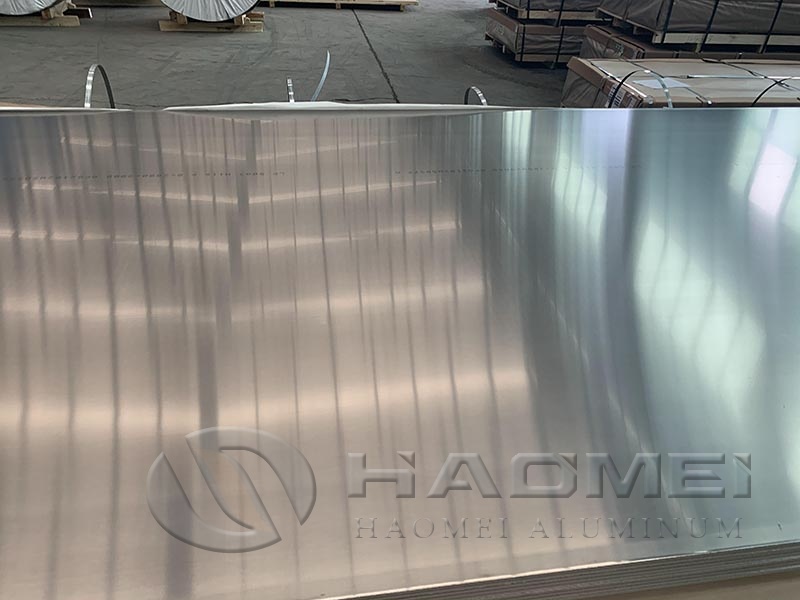
3. Does welding 5083 marine grade aluminum make it weaker?
Welding changes the properties near the weld, but it does not automatically make 5083 unsuitable for marine structures. H116 and H321 tempers are commonly selected for marine plate because they offer useful strength and corrosion performance in welded construction. The heat-affected zone beside the weld can soften compared with the parent plate, so structural calculations should use applicable welded-design values rather than base-metal values alone.
For common boatbuilding work, 5183 and 5356 filler wires are frequently considered. Filler selection should match the base metal, service environment, required strength, cracking resistance, and any anodizing or appearance requirements. A qualified welding procedure is especially important on thick plate, dynamic structures, fuel tanks, and pressure-related components.
Good 5083 welding practice includes:
- Removing oxide, moisture, oil, and cutting residue before welding.
- Using dedicated stainless steel brushes that have not contacted carbon steel.
- Maintaining consistent joint fit-up to avoid excessive heat input.
- Selecting filler wire under a qualified WPS rather than by alloy number alone.
- Cleaning weld zones after fabrication, particularly before long-term saltwater service.
A weld can look smooth and still have porosity, lack of fusion, or contamination. For critical structures, define inspection requirements such as visual testing, dye penetrant testing, radiography, or ultrasonic testing according to the project standard.
4. Is 5083 better than 6061 for marine use?
Neither alloy is universally better. 5083 is typically preferred for welded seawater-exposed plate structures because it has excellent marine corrosion resistance and retains favorable properties in welded fabrications. 6061-T6 has good general corrosion resistance and is widely used for extrusions, machined parts, ladders, rails, brackets, and structural components, but the T6 temper loses significant strength adjacent to welds.
| Selection Factor | 5083 Marine Grade Aluminum | 6061 Aluminum |
|---|---|---|
| Typical form | Sheet and plate | Extrusions, bar, plate, machined parts |
| Seawater hull plating | Excellent choice | Usually not first choice for hull plate |
| Welded strength retention | Favorable for marine structures | Heat-affected zone softens significantly |
| Machining | Fair | Generally easier |
| Complex extruded sections | Limited availability | Strong option |
A practical vessel may use both alloys. A 5083 hull shell can be paired with selected Alu 6061 extrusions where geometry and machining needs justify it. The interface still needs corrosion isolation, especially if stainless fasteners, copper-bearing components, or wet insulation are involved.
5. What certificates should come with 5083 marine aluminum plate?
The required documentation depends on vessel type, contract terms, destination market, and class requirements. At minimum, request a mill test certificate that identifies the alloy, temper, dimensions, heat number, chemical composition, and mechanical properties. The certificate should allow the delivered plate to be traced back to production records.
For classed vessels or regulated projects, the order may also require certification from organizations such as DNV, Lloyd's Register, ABS, CCS, or BV. Certification should be confirmed before production because it may affect mill route, inspection, marking, test scope, and available plate sizes. Do not assume that a general statement such as "marine grade" automatically means class-approved material.
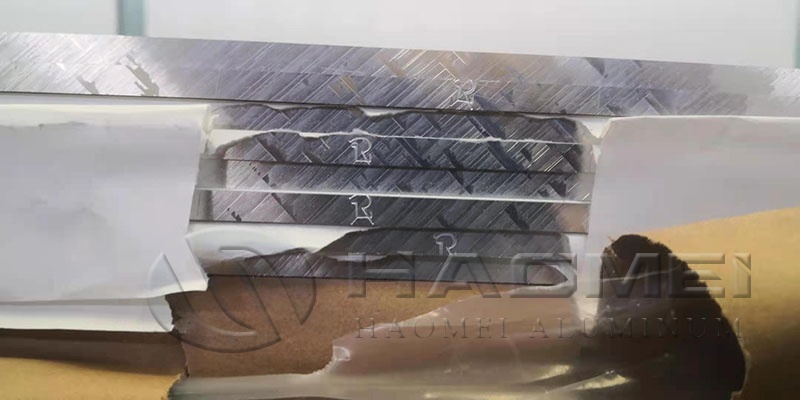
Before issuing a purchase order, confirm these details with the supplier:
- Alloy and temper, such as 5083-H116 or 5083-H321.
- Applicable product standard and requested class approval.
- Plate dimensions, thickness tolerance, flatness, and edge condition.
- Mill test certificate format and heat-number traceability.
- Surface expectations, including scratches, protective film, and allowable oxidation.
- Packaging suitable for moisture control during sea or warehouse storage.
For marine projects, the alloy designation is only the starting point. Temper, certification, fabrication method, corrosion-control design, and inspection requirements determine whether the delivered 5083 plate performs as expected in service.
Original Source:https://www.marinealu.com/a/5083-marine-grade-aluminum.html
Tags: 5083 marine grade aluminum , 5083 aluminum sheet , marine aluminum plate , 5083 welding ,