Marine Grade Aluminium 5083
Top concern: seawater corrosion resistance.
5083 marine aluminium is widely specified for hull structures, decks, superstructures, tanks, landing craft, and offshore fabrications because its high magnesium content provides strong resistance to seawater exposure without heat treatment.
However, alloy designation alone does not confirm marine suitability. The temper, corrosion-test evidence, traceability, storage condition, and welding procedure determine whether material performs reliably in a chloride-rich environment.
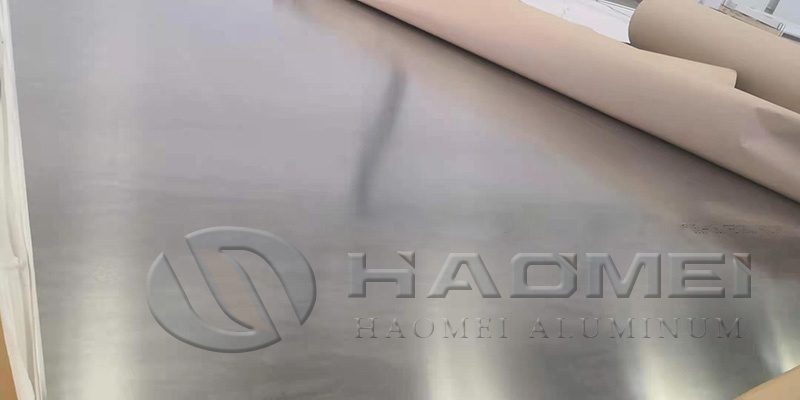
Why Temper Matters
For marine structures, H116 and H321 are commonly requested tempers. Both are intended for improved resistance to exfoliation corrosion in high-magnesium 5xxx alloys used in marine service.
H116 is strain-hardened and stabilized specifically for corrosion resistance. H321 is strain-hardened, then stabilized through controlled thermal treatment. The correct selection depends on thickness, forming requirements, applicable rules, and the fabricator's welding plan.
Do not substitute H111, H112, or standard H32 material automatically when a project requires H116 or H321. These tempers may be suitable for certain applications, but they are not interchangeable where corrosion-test documentation is contractually required.
| Temper | Typical Marine Use | Main Control Point |
|---|---|---|
| H116 | Hull plating, deck plating, welded structures | Require corrosion-test certification where specified |
| H321 | Marine plate and formed structural components | Confirm stabilization and mechanical-property records |
| H111 | Formed parts and general fabrication | Verify suitability with design and corrosion requirements |
| H112 | Structural plate and extruded products | Check applicable material standard and approval scope |
Standards First
The purchase specification should name the product standard, temper, dimensions, testing, and documentation. This prevents material that appears similar on visual inspection from entering fabrication without the required marine corrosion performance.
For North American projects, ASTM B928/B928M covers high-magnesium aluminium-alloy plate and sheet for marine service and similar environments. It includes H116 and H321 tempers and references corrosion evaluation methods such as ASTM G66, the ASSET test, and ASTM G67, the NAMLT method.
For European supply, EN 573-3 defines chemical composition limits for aluminium alloys, while EN 485 series standards address tolerances and mechanical properties for wrought flat products. EN 10204 3.1 inspection certificates are commonly requested to maintain heat-level traceability.
Classification and vessel rules may impose additional requirements. Examples include the applicable material rules of DNV, Lloyd's Register, ABS, or Bureau Veritas. For small craft, ISO 12215-5 is frequently used for hull construction and scantling calculations. Always verify the current edition named in the contract or class documentation.
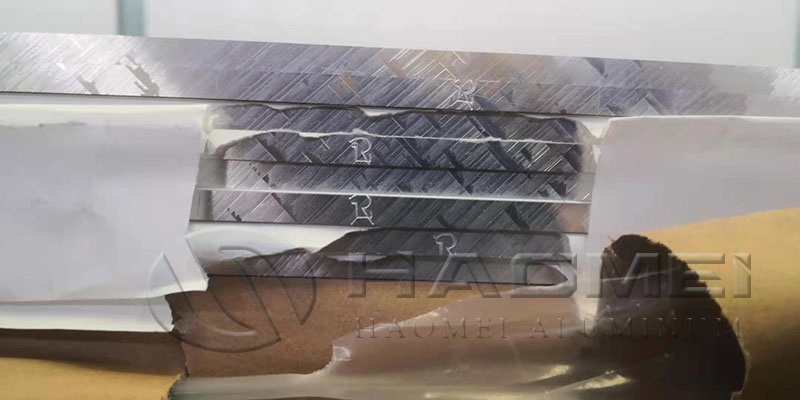
Alloy Facts
According to EN 573-3, 5083 is an aluminium-magnesium-manganese alloy. Its magnesium range is 4.0% to 4.9%, and manganese is 0.4% to 1.0%. This chemistry supports strong corrosion resistance and useful welded strength.
Typical mechanical values vary by thickness and temper. For example, published data for 5083-H116 plate often show tensile strength in the approximate range of 275 to 350 MPa, with proof strength values commonly above 125 MPa. These are not design values. Confirm guaranteed minimum properties from the mill certificate and the applicable product standard.
When comparing alternatives, use the same temper and product form. A nominal alloy comparison without thickness, condition, and certification can produce an inaccurate cost or performance decision.
| Material | Relative Strength | Seawater Resistance | Common Decision Factor |
|---|---|---|---|
| Alu 5083 | High for a non-heat-treatable alloy | Excellent with suitable temper | Marine hull and welded structures |
| Alu 5086 | Moderate to high | Excellent | Formability and project-specific availability |
| 6061-T6 | High before welding | Good with protection | Heat-affected-zone strength loss after welding |
Weld Controls
A marine fabrication can fail early if welding decisions are made after material ordering. 5083 loses some strain-hardened strength in the heat-affected zone, so structural calculations should use welded-joint properties required by the governing design rule.
For MIG welding, 5183 and 5356 are widely used filler alloy families for 5xxx marine structures. Filler selection should be matched to base material, service temperature, corrosion exposure, weld procedure qualification, and class requirements.
Use this fabrication checklist:
Confirm the welding procedure specification identifies base alloy, temper, filler, shielding gas, joint preparation, and heat input limits.
Remove moisture, oil, oxide contamination, and embedded steel particles before welding.
Use dedicated stainless steel brushes and clean tools for aluminium work.
Avoid uncontrolled heat input that enlarges the softened zone.
Inspect completed welds using the non-destructive testing method required by the project.
Isolate aluminium from carbon steel, copper alloys, and dissimilar metals where galvanic corrosion is possible.
Order Specification
Use a written release specification rather than a short alloy-only description. A practical format is shown below.
| Item | Requirement to State |
|---|---|
| Alloy | 5083 to the named chemical-composition standard |
| Temper | H116 or H321, as required by the design |
| Product standard | ASTM B928/B928M, EN 485, or contract-specific equivalent |
| Dimensions | Thickness, width, length, tolerances, and flatness limits |
| Certification | EN 10204 3.1 certificate with heat number and test results |
| Corrosion tests | ASTM G66 and/or ASTM G67 when required by specification |
| Surface condition | Dry, protected from contamination, no damaging handling marks |
| Inspection | Quantity check, dimensional verification, certificate review, visual examination |
Material should remain dry and ventilated during storage. Do not trap water between stacked plates, leave protective film damaged in wet conditions, or place aluminium directly against carbon-steel racks.
Before release to fabrication, match the physical marking, packing list, and inspection certificate heat number. Confirm that the temper on every certificate matches the drawing requirement, and retain the records through vessel handover.
Original Source:https://www.marinealu.com/a/marine-grade-aluminium-5083.html
Tags: marine grade aluminium 5083 , 5083 H116 aluminium plate ,
Prev:Where To Buy Marine Aluminum Sheets And Extrusions For Boat Building