Aluminum Boat Sheet Metal
People researching aluminum boat sheet metal try to compare alloys, understand thickness, avoid corrosion mistakes, and figure out whether a lower-cost sheet will perform well in real marine service. The questions below reflect the most discussed themes from the past 3 months, with practical answers written for people sourcing marine aluminum sheet, profile, welding wire, pipe fittings, and related metal products.
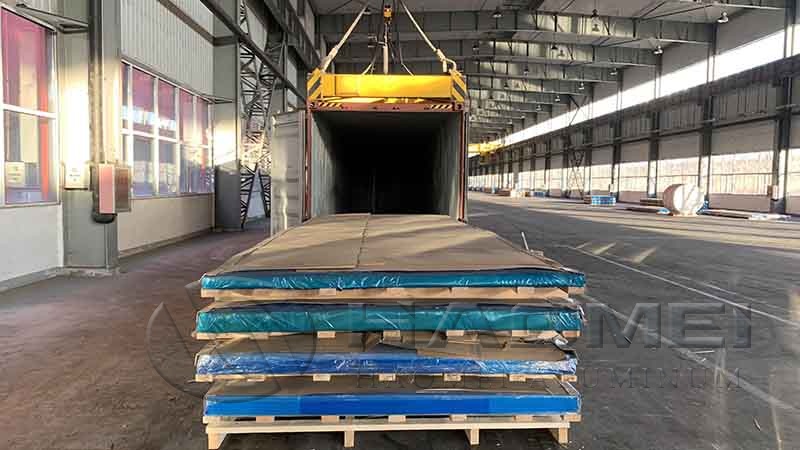
1. What alloy is best for aluminum boat sheet metal, 5052, 5083, or 5086?
This is one of the most common questions because alloy choice affects strength, corrosion resistance, weldability, and long-term repair cost.
For hull plating and other highly stressed marine structures, 5083 and 5086 are usually preferred over 5052. In practice, 5052 is often selected for tanks, interior panels, light covers, and non-critical fabricated parts, while 5083 and 5086 are used where the sheet must handle wave impact, vibration, and welded structural loads.
A simple comparison is below.
| Alloy | Typical Use in Boats | Strength Level | Corrosion Resistance in Seawater | Weldability | Common Comment |
|---|---|---|---|---|---|
| 5052 | Interior panels, tanks, light-duty parts | Medium | Good | Good | Easier to form, but not the first choice for heavily loaded hulls |
| 5083 | Hull plating, decks, superstructures | High | Excellent | Excellent | Very popular for professional marine fabrication |
| 5086 | Hulls, patrol boats, workboats | High | Excellent | Excellent | Strong marine option, widely trusted in welded structures |
If you are comparing mainstream marine grades, Alu 5083 is often selected when top-tier seawater performance is the priority. Alu 5086 is also a strong choice for welded boat structures and is frequently specified in North American boatbuilding.
The practical answer is this: if the part is structural and exposed to marine service, 5083 or 5086 is usually the safer route. If the part is lightly loaded and more focused on formability or budget, 5052 may still fit.
2. How thick should aluminum boat sheet metal be for a small boat?
This is another hot question because many first-time fabricators assume thicker is always better. It is not that simple.
Sheet thickness depends on boat length, hull design, bottom shape, frame spacing, intended speed, payload, and whether the boat will see calm lakes or rough coastal conditions. A small recreational jon boat may use relatively thin sheet, while a welded offshore fishing boat needs a much heavier bottom plate.
Here is a simplified reference range.
| Boat Area | Common Thickness Range | Notes |
|---|---|---|
| Interior panels and covers | 1.5 mm to 2.5 mm | Suitable for non-structural areas |
| Small side sheets | 2.0 mm to 3.0 mm | Depends on support spacing |
| Bottom plating for small utility boats | 3.0 mm to 4.0 mm | Often chosen for better dent resistance |
| Heavier-duty welded hull bottoms | 4.0 mm to 6.0 mm or more | Used where impact and stress are higher |
New buyers should not focus only on thickness. Temper, flatness, surface quality, and plate certification matter too. A poorly controlled sheet with inconsistent thickness can create welding distortion, unfair plating, and fitting trouble during fabrication.
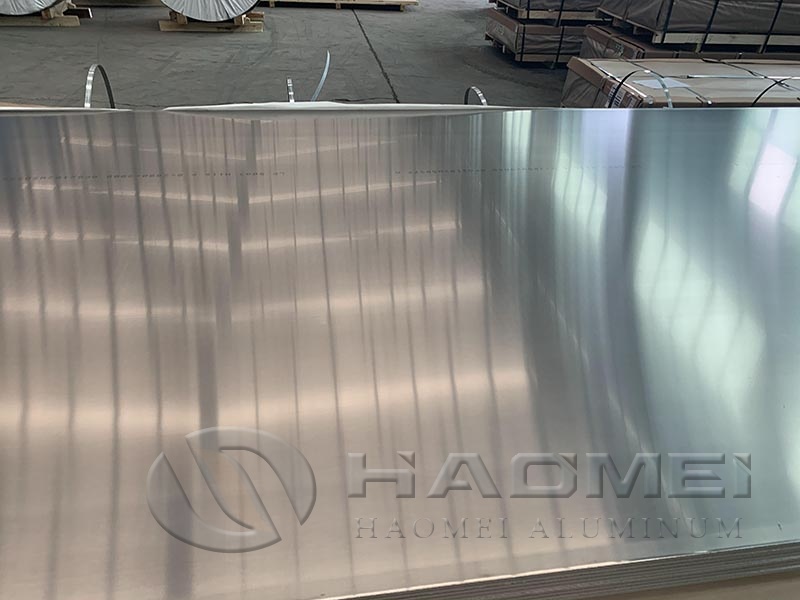
3. Does aluminum boat sheet metal corrode in saltwater?
Yes, aluminum can corrode in saltwater, but marine-grade aluminum performs very well when the correct alloy is chosen and the boat is built properly.
The biggest misunderstanding online is that aluminum simply "does not rust," so it needs no protection. While it does not rust like steel, it can suffer pitting, galvanic corrosion, and crevice corrosion if the wrong metals touch it or if water gets trapped in poorly designed joints.
The main risks include:
Contact with stainless steel fasteners without proper isolation.
Copper-based antifouling coatings touching bare aluminum.
Trapped saltwater in foam-filled or sealed areas.
Stray current from bad wiring or shore power problems.
To reduce corrosion risk, fabricators usually choose marine alloys such as 5083 or 5086, use compatible welding wire, isolate dissimilar metals, and apply coatings designed specifically for aluminum hulls.
A useful rule is that corrosion resistance starts with material selection, but durability depends just as much on design and assembly. Even excellent sheet can fail early if paired with the wrong hardware or coating system.
4. Is welded aluminum boat sheet metal strong enough, or do the welds become weak points?
This question appears often because people hear that welding changes the properties of aluminum. That is true, but it does not mean a welded aluminum boat is unreliable.
In heat-treatable and non-heat-treatable alloys alike, the heat-affected zone can reduce local strength compared with the base material. However, marine boat designs account for this. Proper joint design, plate thickness, filler wire selection, and welding procedure all matter more than internet claims that "welded aluminum always cracks."
In reality, most cracking problems come from one of these issues:
Poor edge preparation.
Wrong filler wire.
Excessive heat input.
Inadequate framing or support spacing.
Stress concentration at abrupt geometry changes.
Using a non-marine alloy for a marine structure.
For marine sheet such as 5083 or 5086, common filler choices are selected to balance strength, corrosion resistance, and crack sensitivity. When the weld procedure is controlled well, the finished structure is highly dependable for workboats, ferries, fishing vessels, and recreational boats.
5. Can I use cheaper general-purpose aluminum sheet instead of marine aluminum sheet for a boat?
This is one of the most important questions because many new projects go wrong at the purchasing stage.
Technically, a boat can be made from many aluminum sheets, but that does not mean it should be. General-purpose commercial sheet may look similar on paper, yet it may offer lower corrosion resistance, less suitable mechanical performance after welding, or less reliable traceability.
The cost difference between standard sheet and marine-grade sheet often looks significant at the quote stage, but the downstream cost of distortion, repair, corrosion damage, or early replacement is usually much higher. That is why serious builders tend to ask for certified marine alloys, stable chemistry, and consistent plate quality.
When evaluating offers, ask these practical questions:
| Question to Ask Supplier | Why It Matters |
|---|---|
| What alloy and temper is the sheet? | Confirms whether it suits marine fabrication |
| Is it intended for marine use? | Helps avoid unsuitable commercial sheet |
| What standard or certification applies? | Improves traceability and consistency |
| What is the thickness tolerance? | Affects fit-up and weld quality |
| What filler wire is recommended? | Reduces mismatch in fabrication |
| How is the sheet packed for shipment? | Prevents surface damage before cutting |
For people sourcing aluminum boat sheet metal for a new build, the smarter approach is to buy according to service conditions rather than only by price per kilogram. If the boat will operate in saltwater, carry load, and include welded seams, marine-grade sheet is usually the responsible choice.
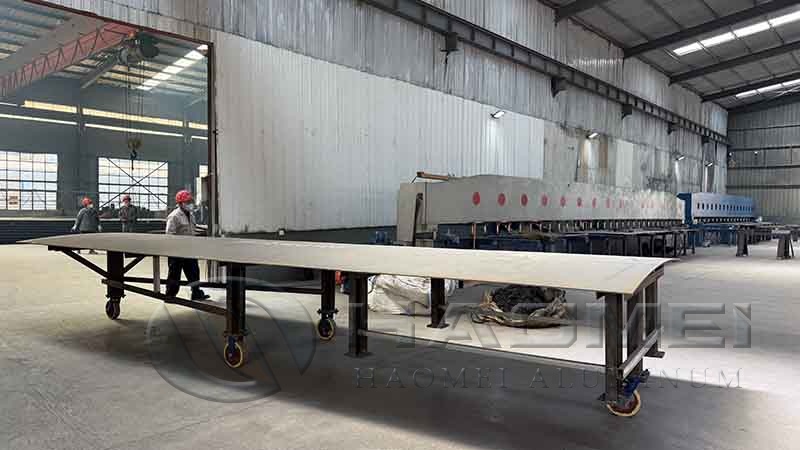
What new buyers should pay attention to before placing an order
Many first orders focus only on alloy and sheet size, but experienced fabricators usually check a wider list: actual application area, expected welding method, bending radius, sheet flatness, corrosion environment, and whether matching profiles and welding wire are available from the same supply source. This reduces fabrication delays and avoids compatibility problems later.
If your project includes hull plating, deck structures, tank sections, and fabricated fittings, it helps to align sheet grade, profile grade, and filler selection early. That is especially true for saltwater boats where the entire material system needs to work together, not just the plate itself.
Original Source:https://www.marinealu.com/a/aluminum-boat-sheet-metal.html
Tags: aluminum boat sheet metal , marine aluminum sheet , 5083 aluminum , 5086 aluminum , boat building aluminum ,