5052 Marine Grade Aluminium
5052 marine grade aluminium is often selected when seawater corrosion resistance, formability, and predictable fabrication matter more than maximum hull strength. For shipyards, tank makers, offshore outfitters, and stainless pipe sourcing teams, the main concern is simple: will the plate or sheet survive a chloride environment without creating welding, certification, or galvanic problems?
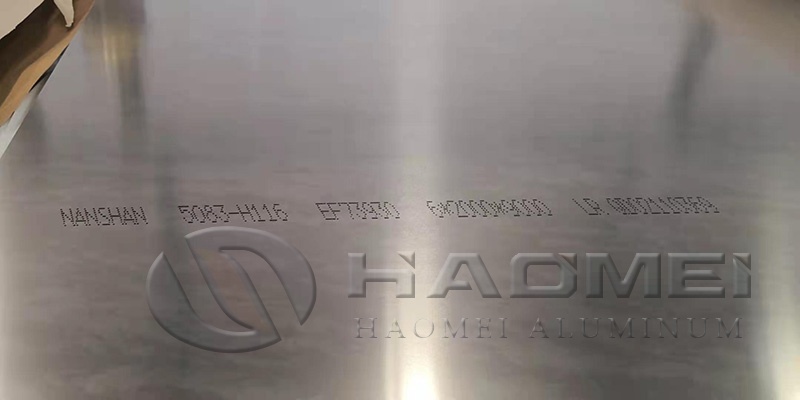
Why 5052
5052 belongs to the 5xxx aluminium-magnesium family. Its corrosion resistance comes mainly from magnesium in solid solution, without heat treatment. According to standard composition references such as The Aluminum Association and EN 573-3, 5052 typically contains about 2.2-2.8% Mg and 0.15-0.35% Cr, with controlled iron, silicon, copper, manganese, and zinc limits.
That chemistry makes it suitable for formed marine parts, wet lockers, deck panels, instrument cabinets, small craft components, fuel and oil tanks, and non-critical superstructure parts. It is not normally the first choice for highly loaded hull structures where 5083, 5086, 5383, or 5059 may be specified by naval architects.
For repeat orders, standardize one temper first. Alu 5052 in H32 is widely used for sheet because it balances strength and bendability, while H34 gives higher strength with less forming margin.
Material facts
| Item | Practical reference |
|---|---|
| Alloy family | 5xxx Al-Mg, non-heat-treatable |
| Common marine tempers | O, H32, H34, H112 |
| Main feature | Strong chloride corrosion resistance with good forming |
| Welding | Generally weldable by GMAW and GTAW |
| Typical filler | 5356 is common; filler selection must follow design code and service condition |
| Heat treatment | Not strengthened by solution heat treatment |
| Watch item | Lower strength than 5083 and 5086 for structural hull use |
Do not treat the phrase "marine grade" as a certificate by itself. It usually means the alloy is suitable for marine exposure, but classification approval, mill test certificates, and project drawings decide whether the product can be installed.
Alloy comparison
| Alloy | Strength level | Corrosion behavior | Formability | Typical marine use |
|---|---|---|---|---|
| 5052 | Medium | Very good in seawater splash zones | Excellent | Tanks, panels, enclosures, small craft parts |
| 5083 | Higher | Excellent, widely class-approved | Moderate | Hulls, decks, pressure-resistant structures |
| 5086 | Higher than 5052 | Excellent | Good | Workboats, patrol craft, welded structures |
| 6061-T6 | Medium-high | Needs surface protection in seawater | Moderate | Frames, fittings, machined parts |
| 316L seamless stainless pipe | High | Excellent, but crevice corrosion can occur | Pipe-focused | Seawater lines, hydraulic, process systems |
When a drawing calls for structural marine plate, confirm whether 5052 is allowed. If the design requires higher welded strength, Alu 5083 is often reviewed first because it is common in class-approved marine plate supply chains.
Processing rules
5052 is valued because it is forgiving in fabrication. Still, failures often come from poor bending radius control, incorrect welding practice, or mixed-metal assembly with stainless pipe.
Use this process checklist before releasing production:
| Step | Control point | Action |
|---|---|---|
| Cutting | Burrs and heat marks | Use saw, waterjet, laser, or plasma with edge cleanup as required |
| Bending | Crack prevention | Match bend radius to temper and thickness; O temper forms best |
| Welding | Strength and corrosion | Qualify procedures under AWS D1.2 or ISO 15614-2 where required |
| Surface prep | Coating adhesion | Remove oxide, oil, and shop contamination before coating |
| Assembly | Galvanic corrosion | Isolate aluminium from stainless steel, carbon steel, and copper alloys |
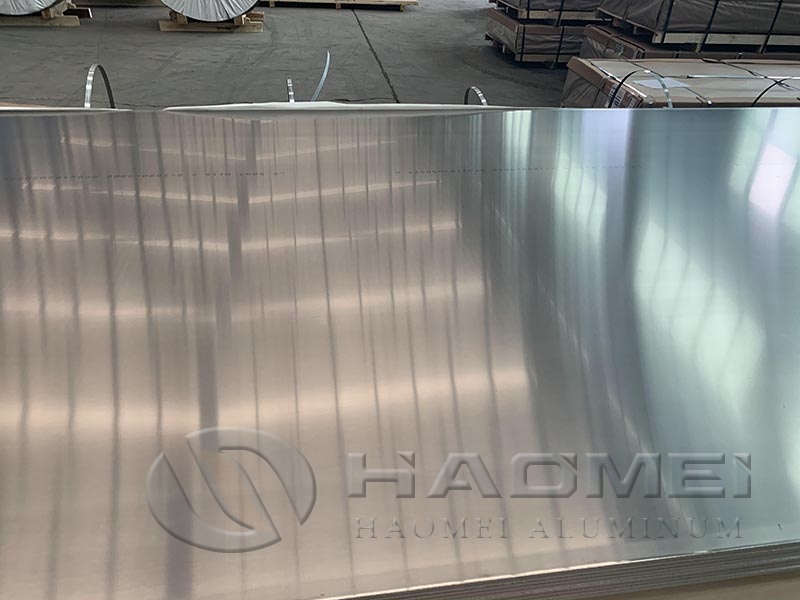
| Storage | White staining | Keep sheets dry, ventilated, and separated with clean spacers |
For vessels using seamless stainless steel pipe near aluminium tanks or supports, add non-conductive gaskets, sleeves, or coatings. In seawater, stainless steel can drive galvanic attack on nearby aluminium if electrically connected and continuously wet.
Certification checks
Procurement specifications should refer to recognized standards instead of informal descriptions. Common references include ASTM B209 for aluminium sheet and plate in North America, EN 485 and EN 573 in Europe, and classification society rules from ABS, DNV, Lloyd's Register, Bureau Veritas, or RINA when the part is classed.
| Document | What to verify |
|---|---|
| Mill test certificate | Alloy, temper, thickness, heat number, chemistry, mechanical values |
| Class certificate | Society name, product type, approval scope, certificate number |
| Dimensional standard | Thickness tolerance, flatness, width, length |
| Welding document | WPS, PQR, welder qualification, filler alloy |
| Traceability | Heat marking, bundle tags, packing list, certificate match |
IACS Unified Requirements, including marine material approval practices such as UR W25 for aluminium alloys where applicable, are often used by classification societies. Always match the rule edition requested by the vessel contract.
Cost control
5052 pricing is usually built from three parts: aluminium base price, conversion premium, and logistics. The base metal reference is commonly linked to public LME aluminium settlement prices. Final delivered cost also depends on slab availability, rolling width, temper, certification, minimum mill quantity, freight, duties, and packaging.
For cost comparison, request offers in the same format:
| Cost item | Required detail |
|---|---|
| Base unit | USD/tonne, EUR/tonne, or local currency/kg |
| Price basis | Ex works, FOB, CIF, DAP, or DDP under Incoterms 2020 |
| Thickness | Exact tolerance and standard used |
| Certificate | MTC only or class certificate included |
| Packing | Seaworthy wooden pallet, film, paper interleaving, desiccant |
| Lead time | Rolling time plus booking, customs, and inland transport |
A lower sheet price can become expensive if it lacks class acceptance, arrives stained, or forces rework after bending trials. For marine projects, include scrap rate, weld repair time, and coating failure risk in the comparison.
Supply risks
Marine aluminium availability moves with shipbuilding cycles, automotive demand, power costs, alumina supply, and regional trade measures. Tightness is more common in certified plate than in general sheet because approved mills, survey inspection, and documentation reduce supply options.
To reduce disruption:
- Lock alloy, temper, thickness, and standard before price negotiation.
- Approve at least two mills where project rules allow.
- Reserve class inspection windows early for large campaigns.
- Avoid mixing metric and imperial thickness callouts without tolerance review.
- Keep stainless pipe and aluminium package schedules aligned to prevent yard storage damage.
Application fit
5052 is a strong candidate for formed marine sheet work, especially where corrosion resistance and bendability are valued. It is less suitable when the drawing demands high welded strength, high-speed hull impact performance, or classification approval for primary structure.
| Good fit | Review carefully |
|---|---|
| Cabin panels | Primary hull plating |
| Fuel and oil tanks | Highly stressed welded beams |
| Battery boxes | Areas with permanent stainless contact |
| Ventilation covers | High-temperature service |
| Small craft fittings | Parts requiring 6061-T6 machining strength |
Order checklist
- Specify alloy as 5052, not only "marine aluminium."
- State temper, thickness, width, length, and tolerance standard.
- Require MTC with chemistry and mechanical properties.
- Add class certificate only when the vessel contract requires it.
- Confirm bend radius with a sample before series forming.
- Define welding filler and qualification code.
- Separate aluminium from stainless pipe with insulation details.
- Request protective packing for ocean freight and humid storage.
Original Source:https://www.marinealu.com/a/5052-marine-grade-aluminium.html
Tags: 5052 marine grade aluminium , marine aluminum sheet , 5052-H32 , marine aluminium plate ,
Prev:5083 H116 vs H321 Aluminum Plate
Next:Marine Aluminium 6082 Properties Strength, Corrosion Resistance, and Uses